
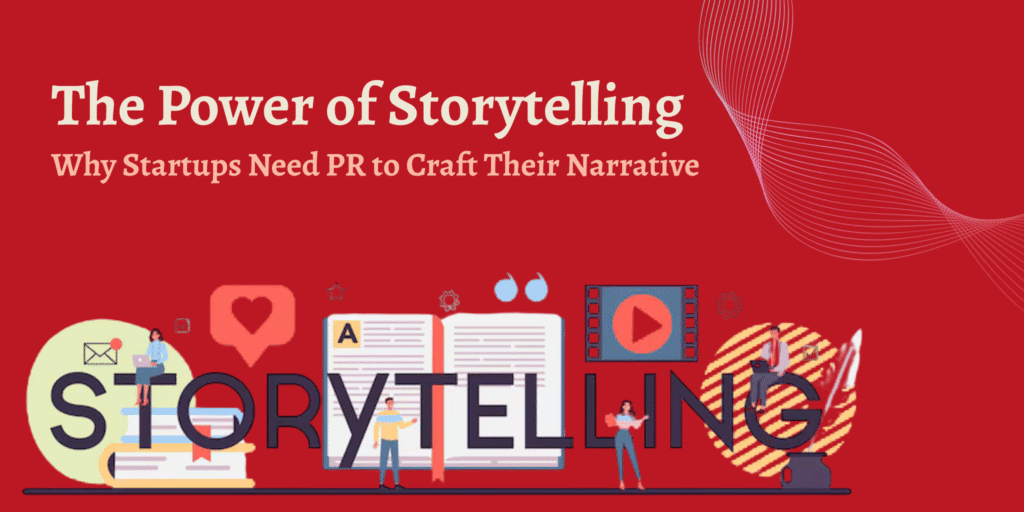
The Power of Storytelling: Why Startups Need PR to Craft Their Narrative
Imagine this: You’re a startup founder, passionate about your new product, and you’ve poured your heart into it. But the world doesn’t know your story yet. You’re competing with countless others, and your voice is getting lost in the noise. How do you stand out? The answer is storytelling. In a world where attention spans are short, telling a compelling story about your brand can set you apart. PR helps startups shape and share their story in a way that resonates with people, creating emotional connections and building lasting relationships. In this blog, we’ll explore why is essential startup pr, and how PR can help craft and amplify that narrative. 1. Why Is Storytelling Important for Startups? Why This Matters: Startups face the challenge of standing out in a crowded market. While having a great product is crucial, storytelling is what turns a product into something people care about. PR plays a critical role in shaping and sharing the brand story that connects with audiences on a deeper level. Storytelling humanizes your brand, making it relatable and memorable. Actionable Tips: Mini-Case Study:When Airbnb first started, the founders focused on the story of how they were trying to help people find affordable accommodations during a conference. Their narrative about creating connections through travel helped them break through the noise and attract their first wave of users. 2. How Storytelling Resonates with People Why This Matters: Humans are wired to respond to stories. We remember stories better than facts or statistics, and we form emotional connections through them. When a startup shares a powerful narrative, it’s not just marketing—it’s a conversation with the audience. PR helps bring that narrative to life in a way that is genuine, relatable, and impactful. Actionable Tips: Data Insight:According to Stanford University, stories are 22 times more memorable than facts alone. This underscores the power of storytelling in creating lasting impressions. 3. Storytelling Builds Brand Identity and Differentiation Why This Matters: In a competitive market, differentiation is key to attracting and retaining customers. Storytelling helps your startup stand out by giving your brand a unique voice. It’s not just about what you sell; it’s about why you sell it and how it aligns with your audience’s values and beliefs. PR helps amplify your story in the right places, allowing you to carve out your own space in the market. Actionable Tips: Mini-Case Study:Patagonia, a brand known for its environmental stance, uses storytelling to communicate its commitment to sustainability. The company’s “Don’t Buy This Jacket” campaign is a perfect example of how they use storytelling to differentiate their brand and connect with eco-conscious consumers. 4. The Role of PR in Crafting and Amplifying Your Story Why This Matters: While a great story is crucial, getting it into the hands of the right audience is just as important. This is where PR comes in. PR professionals help craft your narrative and ensure it reaches the media outlets and platforms that matter most. They work with journalists, influencers, and bloggers to get your story out there in a way that resonates with your target audience. Actionable Tips: 5. How Storytelling Drives Customer Engagement Why This Matters: Storytelling doesn’t just capture attention; it keeps people engaged. When your audience connects emotionally with your brand’s narrative, they are more likely to engage with your content, follow you on social media, and ultimately become loyal customers. PR helps foster this engagement by sharing authentic, compelling stories that create lasting relationships. Actionable Tips: Mini-Case Study:Glossier, a beauty brand, built its success on storytelling and customer engagement. Through user-generated content and creating a narrative around its brand, Glossier grew a loyal community that actively participates in the brand’s story. 6. Why Marketing Your Product Through Storytelling Matters Why This Matters: At its core, storytelling helps transform your product from something transactional into something relational. It helps customers understand not just what you offer, but why they should care. By using storytelling in your marketing strategy, you’re making a deeper connection with your audience, which drives loyalty and sales. Actionable Tips: Read Also: Reasons to Hire a PR Agency for Jewellery Brands The Impact of Storytelling vs. Traditional Marketing Aspect Storytelling in PR Traditional Marketing Audience Engagement Builds emotional connections, higher engagement Often lacks emotional resonance Credibility Builds trust through media coverage and real stories Lower trust; often seen as biased or sales-driven Long-Term Impact Establishes long-term loyalty and brand advocacy Short-term sales focus Cost-Effectiveness Organic media placements, earned coverage High cost of ads and paid promotions Customer Relationships Fosters community and brand loyalty Transactional, focused on immediate sales Conclusion Storytelling is not just a buzzword—it’s an essential tool for startups looking to build strong connections with their audience. With PR at the helm, you can craft a compelling narrative that resonates with people, builds brand credibility, and drives customer engagement. Whether you’re launching a new product or building a long-term brand, PR helps you tell your story in the most authentic and impactful way possible. It’s time to start shaping and sharing your story—because the world is ready to listen. Frequently Asked Questions