Author name: Vvihan Gulati

Vvihan Gulati founded MediagraphicsPR in 2000. In 25 years of public relations, he's learned that a narrative only matters if it holds up once a journalist starts asking hard questions, not just when it's sitting in a press release. He's spent that time building brand stories for startups, global companies, and industry leaders across sectors, working as both strategist and the person actually writing the pitch.

What is the Best PR Agency in India for Brand Visibility
MediaPR

What is the Best PR Agency in India for Brand Visibility?

In today’s crowded digital world, visibility is the currency of trust. Every brand whether a startup, enterprise, or Fortune 500 competes not only for market share but also for mindshare. That’s where Public Relations (PR) plays a defining role. A strong PR agency doesn’t just get your name in the news it builds a reputation that lasts. So, what makes a PR agency the best for brand visibility in India? And which one can help your business truly stand out? Let’s dive in. Understanding the Role of PR in Brand Visibility Visibility is not about being everywhere it’s about being in the right places.The best PR agencies in India don’t chase coverage; they craft credibility. They help brands move beyond one-time mentions to consistent, authoritative presence across print, digital, and broadcast media. A leading public relations agency in India focuses on: In short, a PR company’s role goes beyond press releases it’s about building trust, influence, and recall. Qualities That Define the Best PR Agency in India When choosing a PR agency for brand visibility, look for these key traits: Why MediagraphicsPR Stands Out Among the many PR agencies in India, MediagraphicsPR has carved a niche as one of the most trusted names in reputation-driven communication. With two decades of experience across startups, corporates, venture capital firms, universities, and Fortune 500s, we’ve mastered the art of turning brand noise into brand news. Our approach is built on three pillars: Real Impact: From Visibility to Credibility At MediagraphicsPR, visibility isn’t vanity it’s value. We’ve helped Indian and international brands achieve measurable results, from securing prime coverage in Economic Times, Business Insider, and YourStory, to building CXO visibility on platforms like LinkedIn, CNBC-TV18, and ET Now. Our work goes beyond India’s borders too, helping brands in Australia, the US, and Singapore gain traction in the Indian media landscape. When your audience searches for your brand, they shouldn’t just see you they should believe you. How to Choose the Right PR Partner for Your Brand Before finalizing a PR agency, ask: If the answer is yes, you’re not just choosing a PR firm you’re choosing a growth partner. Conclusion: The PR Agency That Builds What Money Can’t Buy Trust In India’s fast-evolving business landscape, visibility without credibility means little. That’s why the best PR agencies don’t just make you famous; they make you believable. At MediagraphicsPR, we help brands move from awareness to authority, creating stories that inspire action, spark conversations, and sustain trust. Whether you’re launching, expanding, or rebranding, our public relations agency in India ensures your message cuts through the clutter making your brand not just visible, but

What Is a Press Release
MediaPR

What Is a Press Release​? Definition​, Examples & Pro Tips

In the modern digital era, where information travels at lightning speed, brands need reliable ways to make official announcements, control their narratives, and reach broad audiences. This is where press releases come into play. A press release acts as a brand’s voice in the public domain, sharing updates, news, and announcements with media outlets and readers in a formal, credible way. This comprehensive guide explains what a press release is, explores its key components, purpose, and benefits, and provides professional insights to make your press releases more effective. Understanding What Is a Press Release If you have ever wondered what is a press release in PR or marketing terms, it is essentially a structured, concise written statement that a business or organization shares with the media to announce something newsworthy. Typical examples include product launches, company milestones, partnerships, awards, or public statements about new initiatives. Press Release Definition A press release is a formal communication usually written by a company, organization, or public relations professional to announce official news to journalists, media houses, bloggers, and target audiences. It follows a standard format with a headline, date, contact details, and main content that answers the most important questions — who, what, when, where, why, and how. Press releases are not limited to large corporations; even startups, non‑profits, and influencers use them to generate visibility and credibility in today’s media‑driven environment. The Key Components and Purpose of a Press Release To create an effective press release, every section must serve a clear purpose. Below are the essential components every professional release includes: Purpose of a Press Release The primary purpose of a press release is to deliver official information to the media professionally and factually. It helps brands: Common Types of Press Releases Press releases can be categorized based on purpose or content type. Some of the most common varieties include: Different formats serve distinct business goals, but all share a consistent goal—broadcasting verified information to the right audiences. Benefits of a Press Release The benefits of a press release extend far beyond traditional publicity. It’s an essential tool in any PR or marketing strategy for multiple reasons: 1. Builds Credibility and Trust Press releases show transparency and demonstrate your organization’s willingness to share accurate information publicly. Media endorsements add a layer of third‑party credibility that advertising cannot replicate. 2. Improves Brand Visibility When distributed through a top Indian Press Release Agency, your news gains exposure across major newspapers, digital media platforms, and news aggregators. This boosts brand awareness and creates long‑term visibility online. 3. Supports SEO and Online Presence A well‑optimized press release with relevant keywords, backlinks, and targeted distribution can improve your brand’s online discoverability and search rankings. 4. Strengthens Media Relations Regularly sharing newsworthy content builds stronger relationships with journalists, making them more likely to feature your brand in future stories. 5. Drives Customer Engagement Readers often follow up on press releases by visiting your website, exploring products, or contacting your brand. This can lead to direct traffic and potential leads. 6. Controls Brand Narrative During sensitive situations, a structured press release helps manage communication effectively, ensuring only verified information reaches the public. Real‑World Examples of Effective Press Releases Each of these examples demonstrates how a concise, factual press release can positively shape brand image and influence audiences when distributed through an experienced Press Release Agency. Pro Tips for Writing an Impactful Press Release Creating an attention‑worthy press release requires strategic writing and a media‑friendly approach. Here are some professional tips to improve your outcomes: Why Partner with an Indian Press Release Agency While anyone can draft a basic announcement, professional Press Release Agencies bring expertise, media connections, and proper distribution strategies. Working with an experienced Indian Press Release Agency ensures your content reaches the right audience through top‑tier newspapers, digital outlets, and regional platforms. The most significant advantages of hiring a professional agency include: Partnering with seasoned professionals can transform a single press release into a strategic PR opportunity that strengthens brand authority. MediagraphicsPR – Your Trusted Press Release Partner If your brand is ready to go beyond simple announcements and achieve impactful media coverage, professional support is the key. MediagraphicsPR is India’s top Press Release Agency. With 20+ years of experience, we’ve helped 700+ brands achieve 10,000+ media coverages, driving visibility and impact. Our team understands exactly what journalists look for. From crafting your announcement to distributing it to the right media houses, we handle every step with precision. Whether you’re a startup launching your first app or an enterprise looking to promote CSR initiatives, MediagraphicsPR delivers measurable PR outcomes that build reputation and trust. Final Thoughts In summary, understanding what is a press release and how it works gives your brand an edge in communicating with the public. Press releases remain one of the most credible and cost‑effective tools for spreading accurate, newsworthy content through established media channels. By mastering the key components, understanding the purpose, and applying professional writing techniques, your announcements can earn genuine media attention and long‑term brand recognition. Collaborating with a reliable Indian Press Release Agency like MediagraphicsPR ensures your message reaches the right audience — with credibility, precision, and impact.

Your First PR Job 7 Smart Strategies to Launch a Successful Career in Public Relations
MediaPR

Your First PR Job: 7 Smart Strategies to Launch a Successful Career in Public Relations

In today’s fast-paced, media-driven world, brands are built as much by perception as by performance. That’s where Public Relations (PR) comes in the art of crafting narratives, building credibility, and managing reputation. For anyone entering the communications field, building a successful career in public relations is both exciting and rewarding. But landing your first PR job can feel daunting. You might be wondering — What skills do I need? Where should I start? How do I stand out among other freshers? In this blog, we’ll explore 7 smart strategies to help you not only land your first PR job but also establish a strong foundation for a long-term career in public relations. Understand What a Career in Public Relations Really Means Before you send out job applications, take time to understand what PR truly involves. A career in public relations is about more than writing press releases it’s about strategic storytelling, stakeholder communication, and brand reputation management. What PR Professionals Do PR specialists manage media relationships, craft communication strategies, handle crisis situations, and help organizations shape public perception. They work across industries from tech and healthcare to entertainment and government. To succeed, you need curiosity, adaptability, and a genuine interest in how messages shape behavior and reputation. Pro Tip: Follow leading PR agencies like Mediagraphics PR, Edelman, or Weber Shandwick on LinkedIn to learn how they handle real-world campaigns. Build a Strong Foundation with the Right Education and Internships Start with a PR or Communication Degree A degree in Public Relations, Mass Communication, or Journalism gives you a strong theoretical foundation. You’ll learn about media ethics, communication strategy, research, and audience behavior all essential for a long-term career in public relations. Gain Real-World Experience Internships are your gateway to the industry. They not only help you build practical skills but also expand your professional network. Most importantly, internships give you a sense of the day-to-day work in a PR agency or corporate communication team. Pro Tip: Treat your internship seriously. Many full-time PR careers begin as internships that evolve into permanent positions. Master Core PR Skills Early On Develop Writing and Communication Skills Your words are your greatest asset in PR. Whether you’re drafting press releases, social media captions, or client reports, clarity and tone matter. Practice writing daily and read good PR case studies to learn effective message framing. Learn Media and Influencer Relations A successful career in public relations requires building relationships with journalists, editors, and influencers. Understand what makes a good story and how to pitch it in a way that aligns with a media outlet’s audience. Understand Digital PR Tools Modern PR professionals use tools like Cision, Meltwater, and Brandwatch to track coverage and manage reputation. Familiarizing yourself with these will give you a competitive advantage in your early career. Pro Tip: Keep a personal “media list” a collection of journalists, platforms, and industry influencers relevant to your niche. Build Your Personal Brand as a PR Professional Leverage LinkedIn and Social Media In PR, your personal brand speaks volumes. Optimize your LinkedIn profile, share articles, and engage with PR conversations online. Show your interest in media, communications, and brand reputation topics. A consistent online presence demonstrates your passion and credibility key factors in shaping a long-term career in public relations. Create a PR Portfolio Compile your best work media clippings, event write-ups, campaign ideas, or social media content you helped manage. This will give potential employers tangible proof of your abilities. Pro Tip: Start a small blog or podcast about PR trends. It highlights your expertise and enthusiasm for the field. Network Strategically and Build Industry Relationships Networking is not just about collecting contacts it’s about creating meaningful professional connections that can help your career in public relations grow. Attend PR Events and Webinars Participate in industry conferences, workshops, and webinars by PR associations. Events by PRCAI, Global PR Summit, or even local university clubs can help you meet recruiters and mentors. Engage with PR Communities Join PR-related forums, LinkedIn groups, and online communities. Being active in these spaces keeps you updated on job openings, trends, and emerging technologies in communication. Pro Tip: Don’t just connect contribute. Ask insightful questions, share opinions, and stay visible. Stay Updated on PR Trends and Technology PR today isn’t limited to media coverage it’s integrated with digital marketing, influencer engagement, and data analytics. A forward-thinking PR professional understands the intersection between media and technology. Adopt a Learning Mindset Subscribe to PR newsletters, follow industry leaders, and take online courses in digital PR, social media marketing, or crisis communication. Staying current helps you evolve and thrive in your career in public relations. Understand the Role of AI and Data in PR AI-driven analytics tools help agencies measure sentiment, predict trends, and personalize communication. Knowing how to interpret data gives you a serious advantage as PR becomes more insight-driven. Pro Tip: Try free tools like Google Trends or BuzzSumo to analyze trending topics relevant to your clients. Be Patient, Consistent, and Curious Building a career in public relations doesn’t happen overnight. The industry rewards consistency, curiosity, and a willingness to keep learning. You might start by writing press releases or handling basic media monitoring but every small project teaches you how communication influences brand trust. Keep asking questions, seek feedback, and be open to challenges. The PR landscape changes constantly, and professionals who evolve with it become indispensable to clients and organizations. Pro Tip: Document your achievements coverage earned, campaigns executed, or influencer partnerships managed. These metrics help you track growth over time. Final Thoughts: Launching Your Career in Public Relations A career in PR is not just about getting your first job it’s about continuous growth, learning, and adaptability. Your journey from an intern to a communication strategist depends on your passion for storytelling, your curiosity about audiences, and your ability to handle dynamic situations with confidence. If you’re serious about building a career in public relations, start now read, observe, practice, and connect. Every press release you write and

what is thought leadership
MediaPR

What Is Thought Leadership? Strategy, Meaning & Real-World Examples

In today’s digital age, every brand is competing not just for market share but for mindshare. Audiences trust experts, not ads. They prefer guidance, insight, and expertise over cold sales messages. That’s where thought leadership comes in. It’s the art of influencing by authority — shaping opinions, driving conversations, and creating trust in your industry. But what is thought leadership precisely, and how can your business build a strong thought leadership strategy? Let’s break it down. What Is Thought Leadership? Thought leadership is a marketing and branding approach that positions a person or company as an authority in their niche. It’s about leading ideas, not following trends. According to many B2B marketing experts, thought leadership is when your insights, opinions, and knowledge shape industry conversations and gain trust from both clients and competitors. In simple terms, a thought leader doesn’t just sell services — they educate, inspire, and influence through authentic content and fresh perspectives. Great thought leadership turns a brand into a go-to source for answers, guidance, or innovation in its field. For example, when someone thinks about cutting-edge marketing analytics, they might think of HubSpot. When it comes to design and creativity, they might think of Adobe. That’s the power of thought leadership — building brand identity through expertise. Why Thought Leadership Matters Modern audiences are skeptical. They’ve seen too many ads and too much generic content. What stands out today is genuine expertise. For a company like MediagraphicsPR, which helps businesses shape narratives and elevate brand voices, thought leadership is the bridge between visibility and credibility. The Meaning Behind Thought Leadership Strategy A thought leadership strategy is the structured plan that helps position your brand as a leading authority in your domain. It’s not about self-promotion; it’s about consistent, value-driven communication that shows genuine expertise. Here’s what a successful thought leadership strategy looks like: With the proper thought leadership strategy, brands can move from being “just another player” to being leaders who drive the conversation in their industry. Real-World Examples of Thought Leadership in Action 1. HubSpot: Educate Before You Sell HubSpot built its brand by giving away knowledge — not ads. Through free resources, ebooks, and its online academy, HubSpot became a global authority in inbound marketing. This approach transformed them into a B2B thought leadership powerhouse that inspired hundreds of thousands of marketers worldwide. 2. IBM: Industry Insights at Scale IBM uses research-driven reports, AI innovation discussions, and expert commentary to stay ahead in technology conversations. Their consistency in producing high-value B2B content has made IBM a dependable voice in tech innovation, helping their brand maintain authority for decades. 3. Deloitte: Leadership Through Data Deloitte produces some of the most trusted analytical reports in the business world. Their “Power of Perspectives” series provides actionable insights for business leaders across multiple industries, cementing their position as a true thought leader in consulting and advisory services. 4. MediagraphicsPR: Empowering Brands with Authority As a leading Thought Leadership Company, MediagraphicsPR helps brands turn their internal expertise into compelling stories that attract attention. By blending PR strategy, digital marketing, and strategic storytelling, MediagraphicsPR positions businesses as credible voices in their fields — driving visibility, media coverage, and influence. Each of these examples shows how thought leadership can be used not just to build a brand image but to drive measurable business results. How to Build a Thought Leadership Strategy for Your Business If you’re wondering how to start, follow these key steps to create a long-term B2B thought leadership plan that works. 1. Identify internal experts: Spot leaders within your organization who can share unique knowledge — founders, product heads, or research leads. Their insights are your most powerful assets. 2. Create meaningful content: Invest in blogs, whitepapers, opinion posts, and data-backed articles. Use storytelling and statistics to balance emotion and authority. 3. Leverage multiple channels: Don’t rely on one medium. Use LinkedIn posts, webinars, podcasts, and digital press releases to reach decision-makers at different touchpoints. 4. Collaborate with industry media: Publishing guest articles or contributing insights to reputable media outlets raises your credibility and boosts visibility. 5. Build relationships, not just reach: Respond to industry debates, engage on social platforms, and join panels. Interaction strengthens authority. 6. Measure progress: Track performance through key indicators like brand mentions, engagement, leads generated, or backlink growth. These metrics prove the ROI of thought leadership marketing. By implementing these techniques, your company can gradually rise as an industry leader that informs, inspires, and influences others. The B2B Power of Thought Leadership In the B2B world, decisions are not made overnight. Buyers look for trust, reliability, and long-term vision. That’s why B2B thought leadership plays a major role in nurturing business relationships. It shortens sales cycles, builds emotional resonance, and positions your company as a solution provider rather than just a vendor. B2B thought leadership goes beyond content marketing. It uses a combination of data, perspective, and storytelling to shift perceptions. For instance, when a B2B company publishes a whitepaper that shapes future trends or introduces a new framework, it instantly stands out as an authority. For MediagraphicsPR’s clients in the B2B sector, this means curating insights that address real industry pain points, backed by research and humanized storytelling. The result is a consistent flow of brand credibility and business trust. Keys to Effective Thought Leadership Content To stand out in the noise, your content must be essential, not optional. Here are the components of powerful thought leadership content: MediagraphicsPR helps brands develop such holistic content strategies, merging PR precision with messaging that converts attention into authority. Future of Thought Leadership in a Connected World As technology evolves, the meaning of thought leadership continues to expand. Artificial intelligence, data analytics, and social listening have opened new doors for personalized authority building. Now, brands can identify trending topics and contribute expert opinions in real time. The next phase of thought leadership will focus on authenticity and value rather than volume. In a world increasingly driven by AI-generated content, human insights backed by experience and expertise will stand out. This makes professional guidance from a

How to Turn Your PR Internship into a Full-Time Job 6 Proven Steps for Freshers
MediaPR

How to Turn Your PR Internship into a Full-Time Job: 6 Proven Steps for Freshers

In today’s competitive communication industry, internships are more than learning opportunities they’re stepping stones to your dream career. For aspiring PR professionals, an internship can often lead to that crucial job after internship provided you know how to make the right moves. Public Relations (PR) is about perception, strategy, and storytelling and so is your professional journey. The way you present yourself, the relationships you build, and the results you deliver during your internship determine whether you’ll stay on as a full-time employee. In this guide, we’ll explore six proven, actionable steps to help you turn your PR internship into a rewarding full-time job offer. Treat Your Internship Like a Real Job Show Commitment and Professionalism The first step to landing a job after internship is to treat your internship as if it’s already your job. Arrive on time, meet deadlines, and maintain a professional attitude with everyone from senior managers to media partners. When you act responsibly and consistently deliver high-quality work, your mentors begin to see you as a valuable member of the team rather than a temporary intern. Why This Matters in PR? In PR, precision and reliability are everything. A missed deadline or a sloppy pitch can impact client relationships. Demonstrating accountability and ownership early shows you can handle real PR responsibilities under pressure. Pro Tip: Request weekly feedback. It not only shows initiative but helps you improve quickly and align with company expectations. Learn the Tools and Trends of Modern PR Master PR Tools and Analytics To make yourself indispensable, learn the tools professionals use daily. Whether it’s Cision, Meltwater, or Muck Rack for media tracking or social analytics tools like Hootsuite and Sprout Social, mastering these platforms increases your value instantly. The more you understand the technology behind campaigns, the closer you are to securing a job after internship. Stay Updated on Industry Trends PR today is a blend of communication and technology. Keep up with emerging trends like AI-driven media monitoring, influencer collaborations, and brand storytelling on social media. Pro Tip: Read publications like PRWeek, Campaign India, and MediaGraphics PR Insights to stay ahead. Take Initiative and Go Beyond Assigned Tasks Be Proactive, Not Passive The interns who stand out don’t just complete assigned tasks they contribute ideas, notice opportunities, and anticipate needs. If you see a trending news angle your client could comment on, suggest it. If you think an event recap can be turned into a social post, draft it. These small steps display creativity and initiative qualities every PR manager values. Show Your Strategic Thinking PR agencies love team members who think strategically, not just executors. Showing curiosity about campaign goals, media lists, and client strategies helps you prove your understanding of the bigger picture making your transition to a job after internship seamless. Pro Tip: Keep a record of all projects and contributions. They’ll be useful during your final review. Build Relationships Inside and Outside the Agency Network Within the Organization PR thrives on relationships and so does your career. Connect with people beyond your immediate team creative directors, digital strategists, even admin staff. When people across departments recognize your name and work ethic, you build a positive internal reputation. Stay Connected Professionally After your internship, maintain professional relationships on LinkedIn. Comment on posts, share insights, and engage with company updates. You’ll stay visible and top-of-mind when full-time roles open up. Pro Tip: Attend internal brainstorming sessions and team events visibility leads to opportunity. Demonstrate Growth and Adaptability Show How Fast You Learn In a PR agency, things change overnight campaigns shift, deadlines move, crises erupt. How you respond defines your growth potential. Managers look for interns who adapt quickly to new tasks and handle feedback constructively. If you started with press release drafting, volunteer for client coordination next. Show you’re flexible and eager to learn. Be Open to Challenges When you willingly take on new responsibilities from influencer outreach to data tracking you show you’re not afraid of challenges. That enthusiasm often makes you the first choice for a job after internship opportunity. Pro Tip: Create a “learning log” to document new tools, skills, and experiences weekly. It’s an impressive reflection of your growth. Express Your Interest in a Full-Time Role Communicate Your Career Goals As your internship nears its end, don’t assume your mentors know you want to stay. Express your interest directly and professionally. Ask for a review, discuss your contributions, and make your intentions clear. Something as simple as, “I’ve really enjoyed working here and would love to continue contributing to the team,” can open doors to a job after internship. Stay in Touch Even After the Internship If an opening isn’t available immediately, ask for a recommendation or referral. Maintain your relationship through periodic check-ins sometimes, positions open a few months later. Pro Tip: Send a thank-you email summarizing your learnings and gratitude. Small gestures go a long way in PR. The PR Intern’s Advantage: Learn, Adapt, Communicate Internships are your testing ground. Every task from drafting emails to assisting in crisis management is an opportunity to prove your potential. By being proactive, open-minded, and consistent, you show that you’re more than an intern you’re a future PR professional. Remember, agencies don’t just hire skill; they hire attitude. A curious, adaptable, and reliable intern almost always secures a job after internship. Final Thoughts: Your Internship Is the Launchpad for Your PR Career Your PR internship isn’t a short-term gig it’s your audition for the real world. Every press release, event, and brainstorming session adds a brick to your professional foundation. By following these six proven steps professionalism, learning, initiative, networking, adaptability, and communication you’ll be well on your way to turning your internship into a full-time job after internship. Stay curious, stay consistent, and treat every assignment as your next big pitch. Because in PR, your story is your strategy and your internship could be the first chapter of your success story.

Media Relations
MediaPR

What Is Media Relations? Definition, Strategies & Real Examples

In today’s fast-paced digital world, building strong relationships with the media is essential for every brand that wants to earn trust, visibility, and credibility. This is where media relations comes into play — a core pillar of effective public relations (PR). Whether you’re a startup or a large enterprise, understanding what media relations in PR is and how it works can significantly amplify your brand’s presence in the public eye. In this blog, we’ll explore the definition of media relations, its importance, and examples of how top brands leverage the power of the press to shape their reputations. What Is Media Relations in PR? Media relations refers to the process of building and maintaining a positive relationship between an organization and the media, including journalists, editors, influencers, bloggers, and news outlets. In simple terms, it’s about connecting your brand’s story with the right people who can tell it to a larger audience. While public relations (PR) is the broader discipline focused on managing a company’s reputation across all stakeholders, media relations specifically focuses on engaging with the media to secure earned coverage through press releases, interviews, feature stories, and editorial mentions. So, media relations vs public relations can be summed up like this: The Importance of Media Relations in Today’s Communication Landscape The importance of media relations cannot be overstated in the age of digital noise and information overload. Consumers are exposed to thousands of marketing messages daily, but what they believe and trust often comes from credible news sources. Here are some reasons why media relations are crucial for any brand: 1. Builds Credibility and Trust When respected journalists or news outlets cover your brand, it instantly boosts your credibility. Earned media coverage is more trustworthy than paid advertisements because it’s perceived as unbiased. 2. Enhances Brand Awareness A single feature in a leading publication can introduce your brand to millions of readers, helping you reach new audiences organically. 3. Supports Crisis Management In times of crisis, strong media relations can help you communicate your side of the story effectively, reducing misinformation and protecting your brand image. 4. Drives Thought Leadership By consistently sharing valuable insights and updates, your brand can become a go-to source for industry trends, positioning your leadership as experts in the field. 5. Strengthens Long-Term Brand Reputation Effective media relations strategies ensure your brand stays visible, relevant, and respected — not just during product launches but throughout your growth journey. Key Media Relations Strategies for Success Building effective media relations takes more than just sending out press releases. It requires strategy, authenticity, and consistent engagement. Here are some proven tactics used by leading brands and media relations agencies like MediagraphicsPR: 1. Build Genuine Relationships with Journalists Media relations is about people, not just the press. Take time to research which journalists or editors cover your industry and personalize your communication. Avoid mass emails — relevance and authenticity win every time. 2. Craft Compelling and Newsworthy Stories Journalists are flooded with pitches daily. Stand out by offering unique, data-backed, or human-interest stories that align with current news trends. Focus on value, not self-promotion. 3. Leverage Press Releases Strategically A well-written press release remains a powerful tool in PR. Use it to announce product launches, partnerships, awards, or company milestones — but ensure it’s timely and relevant. 4. Be Responsive and Reliable Timely communication builds trust. Always respond quickly to media inquiries and provide accurate, verified information. This reliability makes journalists more likely to cover you again. 5. Utilize Digital and Social Media In today’s world, media relations go beyond traditional outlets. Engage with journalists on LinkedIn or X (Twitter), share updates, and tag relevant reporters when appropriate. 6. Measure Your Impact Track coverage, sentiment, reach, and engagement to understand how your media relations efforts contribute to overall brand goals. Tools like Meltwater or Cision can help monitor media mentions. Real-World Media Relations Examples Here are a few media relations examples that demonstrate how brands have successfully leveraged the media to build awareness and trust: Example 1: Apple’s Product Launch Coverage Apple’s PR team doesn’t rely heavily on paid ads for new products. Instead, they use media relations to secure global coverage through exclusive previews, product leaks, and press events. The result? Every Apple launch becomes an international media event. Example 2: Airbnb’s Human-Centered Storytelling Airbnb often uses storytelling-driven media relations to highlight hosts, travelers, and community impact. These stories resonate emotionally and position Airbnb as more than a booking platform — it’s a people-driven brand. Example 3: Coca-Cola’s Crisis Management When Coca-Cola faced public backlash over health concerns, its PR team used media interviews and feature articles to communicate its sustainability and health initiatives. Their proactive approach in engaging with media outlets helped restore public confidence. Choosing the Right Media Relations Agency Managing media relations effectively requires expertise, experience, and consistent effort. This is where a professional media relations agency like MediagraphicsPR can make all the difference. A good agency helps you: Whether you’re a growing startup or an established enterprise, partnering with the right media relations agency ensures your brand’s story is told the right way — to the right audience, at the right time. Final Thoughts To sum up, media relations is the art and science of connecting your brand’s message with the media to build trust, visibility, and reputation. Understanding what media relations are in PR, learning from real media relations examples, and recognizing their importance can help you create meaningful and lasting media engagement. In today’s digital era, authentic media connections are not optional — they’re essential. MediagraphicsPR, as a trusted media relations agency, helps brands craft compelling narratives, build strong journalist relationships, and earn impactful media visibility that drives long-term brand growth.

The Ultimate 5-Step Strategy to Build Thought Leadership in Your Industry
MediaPR

The Ultimate 5-Step Strategy to Build Thought Leadership in Your Industry

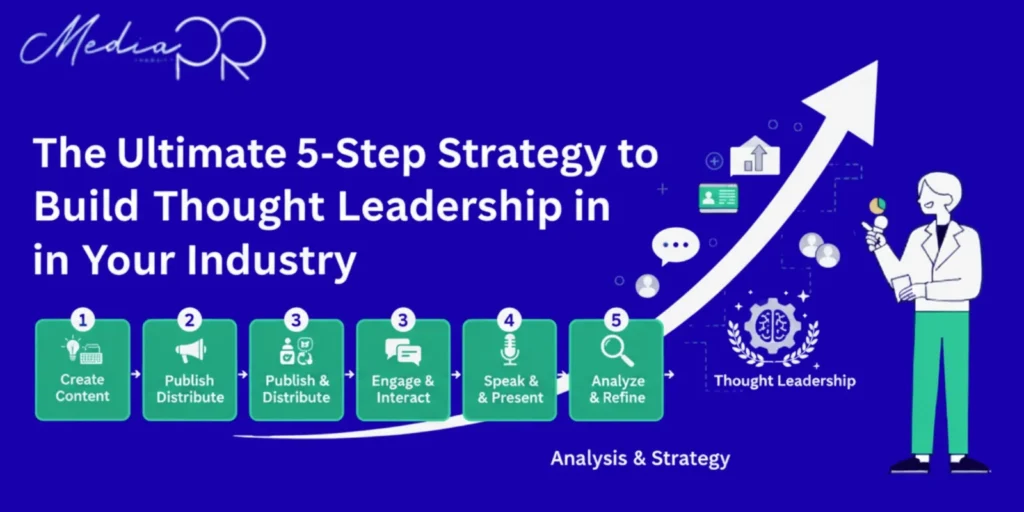
In today’s competitive business landscape, credibility is currency. Whether you’re a founder, marketer, or professional, people trust experts  not advertisers. That’s where thought leadership comes in. It’s more than sharing opinions; it’s about shaping perspectives, influencing conversations, and building a reputation that lasts beyond campaigns or trends. If you want to stand out as a trusted voice in your industry, you need a clear and actionable plan. Here’s a 5-step strategy to build genuine thought leadership that fuels brand growth and authority. Step 1: Define Your Expertise and Audience Before you start publishing content or speaking at events, identify what you want to be known for and who you’re trying to reach. Thought leadership without direction can easily get lost in noise. Ask yourself: When your message aligns with a specific niche and audience need, your content becomes purposeful, consistent, and impactful. Step 2: Build a Content Strategy Around Insight, Not Promotion True thought leaders educate, inspire, and challenge norms. Your content shouldn’t feel like marketing  it should feel like mentorship. Focus on creating: Be authentic and transparent. Don’t just repeat what everyone else is saying  add your own perspective. When your audience sees that your goal is to help, not sell, they naturally start trusting you. Step 3: Collaborate and Get Featured on Credible Platforms Visibility builds authority. Pitch guest articles to high-domain publications, collaborate with influencers in your industry, and participate in webinars or interviews. Read Also: Working with Influencers: PR Agency Do’s and Don’ts The key is association  being featured in reputable media outlets or alongside respected professionals reinforces your credibility.Even a single feature in an industry magazine or a podcast appearance can dramatically enhance your thought leadership journey. Pro tip: Maintain a portfolio of your features and articles. It works as social proof when building your professional brand. Step 4: Engage, Don’t Just Broadcast Thought leadership isn’t about talking at people — it’s about talking with them.Respond to comments, join industry conversations, and acknowledge different perspectives. Being active on professional networks like LinkedIn or niche communities helps you understand your audience’s mindset and keeps your name visible.This consistent engagement builds connection and trust — two essential ingredients for becoming an authority in your space. Step 5: Measure, Adapt, and Keep Learning The most successful thought leaders evolve. Track what resonates with your audience — blog views, engagement rates, media mentions, and speaking opportunities.Use insights from analytics to improve your future content and messaging. Stay updated on new industry developments and be ready to adjust your point of view. The goal isn’t just to be known, but to stay relevant as industries change. Final Thoughts Thought leadership isn’t built overnight — it’s a process of consistent learning, sharing, and engaging. When you combine authenticity with strategy, your influence grows naturally. Whether you’re a healthcare professional, entrepreneur, or marketer, your voice has the potential to shape ideas and lead change.Start small, stay consistent, and remember: true thought leaders don’t chase attention — they earn it. You May Also Like: The Power of Thought Leadership in PR: Building Credibility and Trust

How to Turn Media Coverage into Measurable Brand Growth
MediaPR

How to Turn Media Coverage into Measurable Brand Growth: 8 Effective Ways

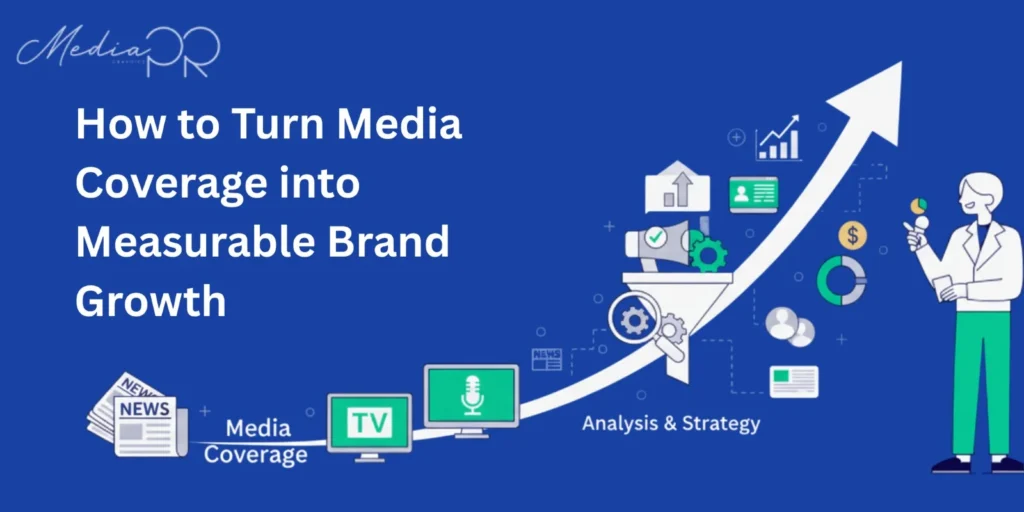
Ever wondered why some brands make headlines and actually grow from it, while others fade away after a week of buzz? The truth is, media coverage alone doesn’t guarantee growth. What matters is how strategically you use that visibility to build credibility, convert attention into trust, and turn that trust into measurable business outcomes. Think of media coverage as the spark, but growth is the fire you build around it. In this blog, we’ll explore simple and effective ways to transform every mention, feature, or interview into long-term brand value. Step 1: Know What Success Looks Like Before you chase the next headline, define what success means for your brand. Do you want more website visits, social engagement, qualified leads, or improved brand sentiment? When you align your PR strategy with clear goals such as backlinks, referral traffic, or share of voice, your media coverage becomes part of a measurable growth engine instead of just a one-time PR activity. Pro tip: Use tools like Google Analytics, Ahrefs, and BrandMentions to track the real ROI of your earned media. Step 2: Craft Stories That Match Your Brand Identity Journalists love meaningful stories, not sales pitches. The key is storytelling. Share real human narratives behind your brand: the challenges, innovations, and positive impact. When your media coverage tells a story that emotionally connects with your audience, it builds brand recall and trust. Example: Instead of saying “We launched a new product,” try “We helped 10,000 users solve a common problem.” That simple shift turns ordinary coverage into value-driven storytelling. Step 3: Maximize Visibility Across Channels Don’t stop at being featured once. Amplify it. Share your media coverage on social media, newsletters, your website’s newsroom, and even in advertising campaigns. When your audience sees consistent mentions across platforms, it strengthens your authority and credibility. Try this: Repetition builds recognition, and recognition drives growth. Step 4: Integrate PR and Marketing Data This is where many brands miss the real opportunity. PR teams often celebrate coverage, while marketing teams track conversions separately. The real growth happens when both work together. When you link PR efforts with your CRM, analytics, or marketing dashboards, you can clearly see how a media feature led to higher website traffic or more inbound leads. In short, stop treating PR as something intangible. Integrate it directly into your growth metrics. Step 5: Leverage Thought Leadership Media coverage gives you a platform to build authority. Use it to position yourself as a trusted expert. Write guest articles, share expert opinions, or participate in industry discussions. When audiences see your name repeatedly across credible sources, they start viewing your brand as reliable and knowledgeable. Over time, this thought leadership compounds into brand equity that’s measurable through trust signals, organic reach, and engagement. Step 6: Use Social Proof to Boost Conversions Every media mention is a trust asset. Use it wisely. Add short quotes from the press in your email campaigns, pitch decks, and landing pages. Studies show that brands displaying visible media mentions often see double the conversion rates because people trust what they recognize. Remember, people may forget ads, but they remember authentic stories shared by credible sources. Step 7: Monitor, Measure, and Improve Media coverage is not a one-time event. It’s an ongoing process. Use analytics to track: By monitoring results regularly, you can identify which stories or platforms work best and refine your PR strategy for better outcomes. Step 8: Build Long-Term Media Relationships After gaining coverage, don’t lose touch with the journalists or publications that featured you. Maintain a professional and genuine relationship. Share valuable updates, offer insights, and stay available for expert commentary. Strong media connections ensure your brand becomes a recurring name in the industry, not just a one-time story. Conclusion Turning media coverage into measurable brand growth isn’t about luck. It’s about strategy, consistency, and clear objectives. Every feature, mention, and quote has the power to drive traffic, increase trust, and strengthen your brand’s market position. Treat each piece of coverage as more than publicity. See it as a real growth opportunity. When you track results, amplify your reach, and build lasting media relationships, your brand doesn’t just get noticed—it grows.

From Awareness to Credibility: The Impact of Healthcare PR
MediaPR

From Awareness to Credibility: The Real Impact of Healthcare PR

Many people still mix up marketing and public relations (PR), especially in the healthcare space, assuming they’re the same. While both aim to shape perception and growth, they work differently and deliver distinct results. The best healthcare brands use PR and marketing together, but it’s PR that builds the trust marketing alone can’t buy. At MediagraphicsPR, we often integrate healthcare PR services into broader marketing plans, aligning them with branding, digital campaigns, and influencer engagement to drive sustainable impact. Let’s explore how healthcare PR transforms awareness into credibility , and why it’s the foundation of long-term brand success. Understanding the Essence of Healthcare PR Healthcare PR is the strategic art of managing how healthcare organizations communicate with the world , patients, doctors, regulators, investors, and the media. It’s not just about publicity; it’s about building credibility, maintaining transparency, and fostering meaningful relationships. A well-executed PR strategy helps hospitals, clinics, and healthtech startups share their mission, milestones, and innovations through trusted media channels, ensuring the message resonates with the right audience. In short, healthcare PR turns medical information into trust-driven storytelling , bridging the gap between expertise and empathy. Core Functions of Healthcare PR Healthcare Public relation goes far beyond media mentions or press releases. It’s a multifaceted approach that supports communication at every level of a healthcare organization. Key functions include: Together, these pillars create a PR ecosystem that balances visibility with authenticity. PR vs. Traditional Marketing — The Credibility Difference While both marketing and PR aim to grow a brand, their timelines and purposes differ. Marketing campaigns focus on generating leads, conversions, and quick visibility. They often rely on paid ads and measurable ROI metrics. PR, however, is a long-term investment in reputation , shaping how people feel about your brand rather than simply how often they see it. Marketing says, “Look at us.” PR inspires others to say, “They’re worth trusting.” In healthcare, where trust determines patient choice, a PR-driven strategy ensures that your message isn’t just heard , it’s believed. The Power of Publicity and Earned Media Publicity is the heartbeat of healthcare PR. It’s not about buying attention; it’s about earning it through authentic stories that resonate. Healthcare organizations can leverage various forms of earned media, such as: This type of organic coverage doesn’t just build credibility , it boosts SEO performance and online visibility. Search engines reward genuine mentions and backlinks, making your brand more discoverable, even through voice search queries like “best hospital PR agency in India.” Thought Leadership: Turning Experts into Influencers In a rapidly evolving healthcare industry, thought leadership plays a pivotal role in establishing authority. When doctors, founders, or medical professionals share their perspectives, it enhances both individual and institutional credibility. A strong PR strategy helps healthcare leaders publish expert insights, speak at conferences, and contribute to ongoing industry discussions. This positions them as go-to voices for trusted information and builds long-term influence. Thought leadership not only educates the public but also strengthens brand identity, making your healthcare organization synonymous with innovation and trust. Crisis Communication: Protecting Reputation When It Matters Most In healthcare, reputation is fragile. Misinformation, patient concerns, or data breaches can quickly spiral if not handled with precision and empathy. That’s why crisis communication is a critical pillar of healthcare PR. A proactive PR team ensures your organization: Effective crisis communication doesn’t just repair trust — it strengthens it, demonstrating professionalism, compassion, and responsibility in the face of adversity.  Digital PR and Online Reputation Management The healthcare conversation has shifted online. Patients now turn to Google, social media, and digital forums to choose doctors, clinics, or wellness brands. That’s where digital PR becomes indispensable. By merging PR with digital marketing, healthcare brands can manage online reviews, highlight patient testimonials, and publish content that boosts both reputation and discoverability. Core digital PR tactics include: This integrated approach ensures that your brand remains visible, trustworthy, and competitive in a crowded digital landscape.  Building Long-Term Trust — The Real ROI of Healthcare PR Marketing can generate traffic, but PR builds trust, and in healthcare, trust is the ultimate conversion tool. Patients don’t just choose the most visible option — they choose the most credible one. Healthcare PR nurtures that credibility over time through consistent storytelling, expert validation, and transparent communication. Whether you’re a small clinic or a major hospital chain, PR helps establish your brand as a reliable voice in patient care. The return on PR is long-lasting — brand loyalty, media recognition, and community respect that no paid campaign can replicate. Final Thoughts As the healthcare industry evolves with AI, digital transformation, and growing patient expectations, PR remains the human connection that technology can’t replace. It gives healthcare brands a voice that’s authentic, empathetic, and influential. By partnering with a performance-driven healthcare PR agency in India like MediagraphicsPR, your brand can move beyond awareness to achieve true credibility — the kind that builds relationships, not just reach.

The Role of Sales and Public Relations in Hotels
MediaPR

The Role of Sales and Public Relations in Hotels

In the hospitality industry, success isn’t just about offering luxurious rooms, fine dining, or breathtaking views it’s about perception, reputation, and relationships. A hotel’s ability to attract guests, retain loyalty, and stay relevant in a competitive market depends heavily on the synergy between sales and public relations (PR). While sales drive immediate revenue, hospitality public relations build long-term credibility and visibility making both indispensable pillars of hotel growth. Understanding the Connection Between Sales and Public Relations At first glance, sales and PR may seem like distinct functions. Sales teams focus on converting prospects into paying customers, while PR professionals craft narratives that shape brand reputation. However, in the hotel business, these two areas are deeply interconnected. A hotel’s PR team doesn’t just manage media coverage or organize events they create stories that sales teams can leverage to attract clients. When a property receives positive press, influencer attention, or high-profile recognition, it strengthens the sales pitch. Likewise, sales insights can guide PR teams to highlight specific offerings like business amenities, wellness packages, or destination experiences that align with guest interests and market trends. Modern hospitality PR firms understand this relationship well. By aligning communication with the hotel’s commercial goals, they ensure that brand storytelling translates into measurable business outcomes. Why Hospitality Public Relations Matters for Hotels In an industry where guest experience is everything, hospitality public relations serve as the bridge between perception and performance. The right PR strategy can transform an ordinary property into a must-visit destination. Here’s how PR strengthens a hotel’s brand and supports sales initiatives: The Role of Sales in the Hospitality Ecosystem While PR creates awareness and reputation, the sales department converts that goodwill into bookings, partnerships, and revenue. A strong PR presence gives sales professionals the leverage they need a positive brand image, glowing reviews, and trusted endorsements. The role of sales in hotels includes: When combined with PR efforts, these strategies don’t just sell rooms they sell experiences, trust, and lifestyle. How PR and Sales Work Together in Hotels To succeed in the modern hospitality landscape, sales and PR must operate as one cohesive unit. Here’s how they complement each other: 1. Shared Brand Goals Both departments aim to increase visibility, trust, and revenue. The PR team promotes the brand’s story across platforms, while sales turn that narrative into tangible results bookings, sponsorships, and partnerships. 2. Coordinated Campaigns When PR agency hospitality teams and sales managers collaborate on campaigns, results multiply. For example, a PR-led influencer staycation campaign can boost brand awareness, while the sales team can convert that buzz into direct bookings. 3. Data and Insights Sales teams gather real-time feedback from guests and clients. Sharing this data with PR allows them to refine communication strategies. Likewise, PR metrics like media impressions or sentiment analysis can help sales target the right audience segments. 4. Event Collaborations From launch events to press conferences and travel expos, PR and sales often collaborate to create impactful experiences that generate both publicity and conversions. How a Hospitality PR Agency Elevates Hotel Growth Partnering with a specialized hospitality PR agency can be transformative for hotels of all sizes. These agencies understand the nuances of the travel industry, media dynamics, and guest psychology. Here’s how they add value: Essentially, a hospitality PR agency helps hotels transition from being a stay option to being a brand experience. The Growing Role of Travel and Hospitality PR Firms As travelers become more informed and discerning, travel and hospitality PR firms are evolving their approach. They no longer rely solely on press releases or print features they integrate data, creativity, and digital tools to tell authentic stories. Some trends shaping the future of hospitality PR include: This evolution ensures that PR not only supports sales but also builds emotional connections that drive brand loyalty. Choosing the Right Hospitality PR Partner Selecting the right PR partner is crucial for long-term success. Here’s what to look for when evaluating hospitality PR firms or agencies: Working with top hospitality PR agencies ensures that your hotel’s brand story remains consistent, creative, and commercially effective. Conclusion In the competitive world of hospitality, sales and public relations are two sides of the same coin one drives revenue, the other builds reputation. Together, they create a powerful synergy that transforms hotels from service providers into beloved brands. A proactive hospitality PR agency doesn’t just promote your hotel; it builds its legacy. By aligning PR storytelling with sales objectives, hotels can boost occupancy rates, enhance brand loyalty, and create unforgettable guest experiences that go beyond the stay. Whether you’re an independent boutique hotel or a global chain, investing in the right mix of sales strategy and hospitality public relations is the key to standing tall in an ever-evolving industry.

Scroll to Top
logo

Get In Touch

Please enable JavaScript in your browser to complete this form.