
Author name: Vvihan Gulati

Vvihan Gulati founded MediagraphicsPR in 2000. In 25 years of public relations, he's learned that a narrative only matters if it holds up once a journalist starts asking hard questions, not just when it's sitting in a press release. He's spent that time building brand stories for startups, global companies, and industry leaders across sectors, working as both strategist and the person actually writing the pitch.

Here Are 5 Trends Your PR Firm Wants You To Know
MediaPR

Here Are 5 Trends Your PR Firm Wants You To Know

Imagine this: You’re a business leader looking to enhance your company’s reputation and visibility. You’re getting media coverage, but the results feel a bit outdated. The landscape is changing, and you need a fresh approach to your public relations strategy. With so many new trends emerging, it’s tough to know where to focus your efforts. In this blog, we’ll explore five critical PR trends you can’t afford to ignore, and how they’ll help elevate your brand in today’s fast-paced media world. 1. The Rise of Influencer Marketing in PR Influencer marketing has become a dominant force in PR, blending traditional media outreach with modern social media strategies. Today, influencers—whether macro or micro—are essential for amplifying messages and enga ging with target audiences in authentic ways. They have the ability to influence purchasing decisions and shape perceptions, making them invaluable partners for your PR campaigns. Tips: Mini-Case Study: Nike’s collaboration with Colin Kaepernick is a great example of how PR and influencer marketing can work together to create a powerful message. Their partnership not only sparked significant media coverage but also reinforced Nike’s brand values around activism and social justice. 2. Personalized PR Campaigns Using Data Analytics Data-driven PR is reshaping how brands communicate with their audiences. By analyzing audience behavior, media engagement, and customer preferences, PR firms can craft more personalized campaigns that resonate deeply with specific segments. This approach allows businesses to deliver highly relevant and timely messages, increasing engagement and trust. Tips: Quote: “Data-driven marketing is the future of PR. By leveraging data, we can tailor our approach to what our audience really cares about.” – Neil Patel, Digital Marketing Expert. 3. Authenticity Over Perfection Today’s consumers crave authenticity over polished, curated content. The rise of social media has led to a shift in how brands interact with their audience—consumers now prefer real, raw, and honest communications. This trend is increasingly important for PR professionals to grasp, as it can directly affect how your brand is perceived by the public. Tips: Mini-Case Study: Dove’s “Real Beauty” campaign is a perfect example of embracing authenticity. By showcasing women of all shapes, sizes, and backgrounds, Dove tapped into a universal desire for authenticity, which resonated deeply with their audience and created lasting emotional connections. 4. The Shift Toward Visual and Video Content The demand for visual content—especially video—is skyrocketing. With social media platforms like Instagram and TikTok prioritizing video content, PR strategies must include more visual and video-centric campaigns to capture attention. Videos are not only engaging but also easier to share, making them a powerful tool for boosting brand awareness. Tips: Data Insight: According to Wyzowl, 85% of businesses use video as a marketing tool, with 92% of marketers reporting that video provides a positive ROI, demonstrating its power in modern PR strategies. 5. The Importance of Crisis Management and Proactive PR Crisis management is an essential part of any PR strategy. In today’s fast-paced world, a negative incident can quickly escalate into a PR nightmare. Proactive PR strategies, which anticipate potential issues before they arise, can help mitigate risks and ensure your brand is prepared to handle any situation with confidence. Tips: Mini-Case Study: Johnson & Johnson’s Tylenol crisis in the 1980s remains one of the most well-known examples of effective crisis management. By quickly recalling the product and communicating openly with the public, the company regained trust and recovered their brand reputation. 6. The Growing Importance of Influencer-Driven Brand Partnerships Influencers have a unique ability to drive consumer behavior and brand loyalty. PR firms are increasingly partnering with influencers for long-term campaigns that align with the brand’s values. These partnerships help to extend a brand’s reach and credibility, tapping into influencers’ established trust with their audience. Tips: Mini-Case Study: Glossier has built its entire brand on influencer partnerships. By working with beauty influencers who authentically align with their products, Glossier has grown into a multi-million-dollar business that thrives on the trust and recommendations of its influencer network. 7. The Role of Analytics in Modern PR Data and analytics have become central to effective PR. Understanding how your PR campaigns are performing—through metrics like media mentions, social media engagement, and web traffic—allows you to fine-tune your strategies and maximize ROI. Analytics ensure that your PR efforts align with business goals and help you stay competitive in a rapidly changing media landscape. Tips: Conclusion As PR continues to evolve, these emerging trends offer exciting opportunities for businesses to connect with their audience, manage their reputation, and elevate their brand. By embracing influencer marketing, data analytics, video content, and proactive crisis management, businesses can stay ahead of the curve and build stronger, more meaningful relationships with their stakeholders. It’s time to adapt and thrive in the dynamic world of public relations. Frequently Asked Questions
07 Top Reasons Why Your Tech Startup Needs a PR Agency
MediaPR

07 Reasons Why Your Tech Startup Needs a PR Agency

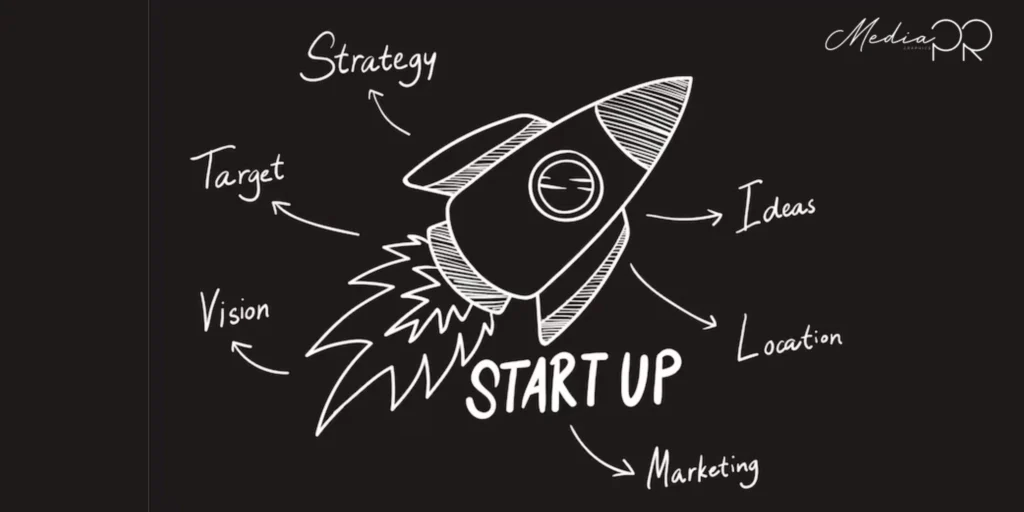
In the dynamic world of tech startups, visibility can make or break your success. With ever-increasing competition, having a strong public image is critical. A PR agency helps you build credibility, amplify your story, and reach the right audience. It’s not just about getting featured—it’s about being remembered. Here’s why your startup can’t afford to skip PR. Builds Trust and Industry Credibility In the tech industry, trust is your most powerful currency. PR helps you earn it. Positions You As a Thought Leader PR helps your startup’s leadership gain industry-wide recognition. Helps You Attract Investors PR is a powerful tool to attract venture capital and angel investors. Enhances Brand Visibility and Recall Visibility equals opportunity in the startup world. A tech PR agency crafts compelling brand stories that media outlets want to share. Startups often struggle to break through the noise. Strategic PR ensures your narrative reaches relevant platforms, helping customers remember and relate to your brand. It’s your shortcut to standing out. Drives User Acquisition PR isn’t just for buzz; it supports real business goals too. Supports Crisis Management PR is your shield when things go wrong. Offers Measurable Growth and ROI PR offers tangible, trackable business impact. PR Benefit Business Outcome Media Mentions Increases brand awareness and SEO visibility Thought Leadership Builds authority and trust among target audiences Investor Coverage Enhances funding opportunities and investor interest Product Launch PR Drives traffic and early adoption Crisis Communication Maintains brand reputation and minimizes long-term damage Conclusion In today’s fast-moving tech ecosystem, having a PR agency is not optional—it’s essential. From brand visibility to investor attraction and crisis control, PR lays the groundwork for sustained growth. Tech startups that invest in PR early gain a competitive edge and build a strong foundation for long-term success. Read Also: 05 Low Investment Startup Ideas in 2025 To Make Success Frequently Asked Questions

05 Low Investment Startup Ideas in 2025 To Make Success
MediaPR

05 Low Investment Startup Ideas in 2025 To Make Success

Starting a business doesn’t always require a big budget. In 2025, smart, scalable, and low-investment startup ideas are thriving. With the right niche and digital tools, entrepreneurs can launch lean ventures and still build long-term success. Here are five powerful startup ideas you can start with limited capital and scale with strategy and consistency. Why Start a Low-Investment Business? Low-risk, high-reward ventures are the way forward in uncertain times.You don’t need an office, employees, or inventory to start. All you need is a solid idea, the internet, and consistency. Low-investment businesses give you flexibility, room to experiment, and the power to grow at your own pace. How to Choose the Right Startup Idea for You Pick a business that matches your strengths and passions. Use your writing, design, or video skills to serve growing content demands. Help businesses grow online with a strong digital presence. Capitalize on the demand for unique, handcrafted goods. Earn passive income by promoting products online. Support businesses remotely with admin, tech, or creative tasks. Task Type Service Examples Admin Tasks Email management, calendar scheduling Tech Support Website updates, CRM handling Marketing Support Social media posting, newsletter creation Research Market or competitor research Customer Service Responding to queries, managing online chats Read Also: How to Build a Tech PR Strategy on a Startup Budget Conclusion With the rise of digital tools and remote work, low-investment startups are more accessible than ever. 2025 is a great year to act on your skills and ideas. By starting small, focusing on value, and scaling steadily, you can build a profitable business with minimal capital and maximum passion. After launching your startup, building visibility is crucial. Partnering with a PR agency for startups can help you gain media exposure and industry credibility. Frequently Asked Questions

05 Tips to Maximize Visibility of a Brand Using Online Networking
MediaPR

05 Tips to Maximize Visibility of a Brand Using Online Networking

Online networking isn’t just about socializing—it’s a strategic tool to amplify brand reach. In an era where digital attention is limited, brands must show up where their audience is. Online networking helps you build authentic connections, drive engagement, and get noticed by the right people. Here are five tips to harness its full potential for brand visibility. Build a Consistent Digital Presence Consistency helps you stay visible and memorable across platforms. Actively Engage in Industry Communities Visibility grows when you contribute meaningfully to your niche. Collaborate with Niche Influencers Influencer partnerships put your brand in front of targeted audiences. Participate in Digital Events & Webinars Events are high-impact platforms to connect, learn, and be seen. Whether you’re attending as a speaker or participant, online events offer visibility. Ask questions, engage in the chat, and connect with panelists afterward. Hosting webinars positions you as an industry voice and attracts relevant leads. Share Thought Leadership Content Create original content that positions your brand as an authority. Why Do Brands Need Visibility? Brand visibility directly impacts recognition, trust, and conversions. In a crowded digital landscape, being visible ensures that customers think of you when they need a product or service. Visibility leads to credibility, which builds preference. The more your audience sees you, the more familiar—and trustworthy—you become. Why Choose Online Networking Over Traditional Methods? Digital networking offers faster, broader, and more measurable impact. Leverage Networking Tools to Scale Your Efforts Use the right platforms to streamline your visibility-building. Tool/Platform Key Use Case LinkedIn Professional branding and community building Twitter/X Thought leadership and real-time industry conversation Slack Communities B2B networking in niche spaces Email Newsletters Regular audience engagement Lunchclub/Shape Smart 1:1 introductions and relationship-building Conclusion Brand visibility doesn’t happen by accident—it’s built through consistent, intentional networking. By showing up online with clarity and authenticity, brands can attract attention, build credibility, and generate long-term value. Use these networking strategies to boost your digital footprint and grow faster in today’s connected world. Read Also: The Power of Interviews in PR Frequently Asked Questions

05 Tips to Plan and Organize a Successful Corporate Event
MediaPR

05 Expert Tips to Plan and Organize a Successful Corporate Event

Corporate events are powerful tools to build brand image, strengthen partnerships, and engage stakeholders. Whether it’s a product launch or an annual celebration, a well-executed event reflects the professionalism and culture of a company. With smart planning, attention to detail, and the right strategy, your corporate event can create lasting impact. Did you know that 86% of businesses report a positive ROI from corporate events? That’s because these events go beyond the occasion—they drive results. Here’s how to plan and organize one successfully: 1. Define Clear Objectives and Budget The foundation of every successful corporate event starts with a clear purpose and a realistic budget. A well-aligned budget ensures you stay on track financially while still meeting your event goals effectively. 2. Choose the Right Venue and Date The setting makes or breaks the experience. It’s where the first impression is made. The right venue enhances guest experience, while the right timing boosts attendance. 3. Create a Detailed Event Plan A comprehensive event PR plan ensures smooth execution and minimizes last-minute chaos. 4. Engage Attendees with Interactive Experiences Keeping attendees engaged is essential to making your event memorable. The more involved your audience feels, the greater the impact of your event. 5. Promote the Event Strategically Promotion is key—no matter how well-planned your event is, it won’t succeed if no one shows up. Combine organic and paid promotion to drive buzz, registrations, and attendance. Why Are Corporate Events Important? Corporate events create networking opportunities, showcase achievements, and foster employee engagement. They help humanize a brand, strengthen internal culture, and leave a lasting impression on partners, media, and customers. It’s where relationships evolve into results. Types of Corporate Events You Can Organize Each format serves a different business purpose. Choose what aligns best with your goals: Event Type Purpose Product Launch Introduce new offerings to media, clients, and partners Annual Day / Gala Celebrate milestones and enhance company culture Workshops / Seminars Educate teams or partners on trends & tools Networking Mixers Facilitate partnerships and expand B2B reach Team-Building Events Boost collaboration, morale, and internal engagement Use Event Tech Tools for Seamless Execution Technology enhances efficiency and experience. The right tools help automate logistics and improve attendee satisfaction. Conclusion A successful corporate event doesn’t happen by chance. It requires careful planning, precise execution, and a well-rounded promotion strategy. Done right, it can position your brand as a leader, strengthen relationships, and drive measurable ROI. Start early, stay organized, and let your brand shine through every experience you deliver. Frequently Asked Questions (FAQs) Why do companies invest in corporate events?To build brand visibility, celebrate milestones, and strengthen both internal and external relationships. How early should I start planning a corporate event?Start planning 6–8 weeks in advance for small events, and 3–6 months for larger ones. What are must-have elements for corporate events?A clear agenda, engaging activities, professional AV setup, and personalized experiences. How can I measure event success?Track attendance, post-event feedback, social media engagement, and lead generation or conversions. What are common corporate event mistakes?Poor planning, unclear goals, last-minute changes, and lack of communication. Should we hire an event agency or manage in-house?Hire an agency for smoother execution unless you have an experienced internal team. Can corporate events help with branding?Absolutely. They showcase your brand’s values, culture, and industry presence. What’s the role of PR in a corporate event?PR boosts visibility by securing media coverage, influencer mentions, and post-event buzz.

06 Tips to Consider When Establishing a New Business
MediaPR

06 Essential Tips to Consider When Establishing a New Business

Starting a business is an exciting journey, but it also comes with critical decisions that shape your long-term success. From idea validation to financial planning, each step plays a crucial role in building a sustainable venture. These six essential tips will help you lay a strong foundation and turn your entrepreneurial dream into reality. Top 6 Tips to Consider When Starting a New Business When you are Starting a new business so, here are six essential tips to help you build a strong foundation and set yourself up for success. 1. Validate Your Business Idea An idea is only as good as its demand in the real world. 2. Create a Detailed Business Plan A roadmap helps convert vision into strategy. 3. Understand Legal and Financial Requirements Ensure your business complies with local regulations. 4. Build a Strong Online Presence Digital visibility is crucial from day one. In today’s business world, your online presence builds credibility. Invest in a clean, mobile-friendly website. Claim social media handles across platforms. Start sharing value-driven content regularly to build a loyal audience before your official launch. 5. Focus on Budgeting and Cash Flow Money mismanagement is one of the biggest reasons startups fail. 6. Build the Right Team or Network The people you work with can accelerate or hinder your success. Read Also: 5 Tips To Consider While Hiring A PR Agency Why Start a Business in Today’s Economy? Entrepreneurship empowers financial independence and innovation. In a post-pandemic digital economy, more people are seeking flexibility, control, and passion-driven work. A business gives you the freedom to create impact, build a legacy, and turn ideas into income. With low-barrier digital tools, starting has never been easier. Long-Term Benefits of Owning a Business Owning a business offers long-term benefits like financial freedom, brand legacy, personal growth, and control over your professional journey. Long-Term Benefit Impact on Entrepreneur Financial Freedom Control over income and investment opportunities Flexibility Work-life balance and remote work advantages Skill Development Learn marketing, finance, leadership, and problem-solving Legacy Building Create a lasting brand and generational wealth Contribution to Economy Create jobs and drive innovation Conclusion Starting a business may feel overwhelming, but the right strategies can make the process smoother and more fulfilling. By planning wisely, staying financially aware, and building strong relationships, you set yourself up for long-term growth and resilience. Entrepreneurship isn’t just a career move—it’s a life transformation. Read Also: How to Build a Tech PR Strategy on a Startup Budget: A Step-by-Step Guide Frequently Asked Questions

05 Tips To Consider While Hiring A PR Agency
MediaPR

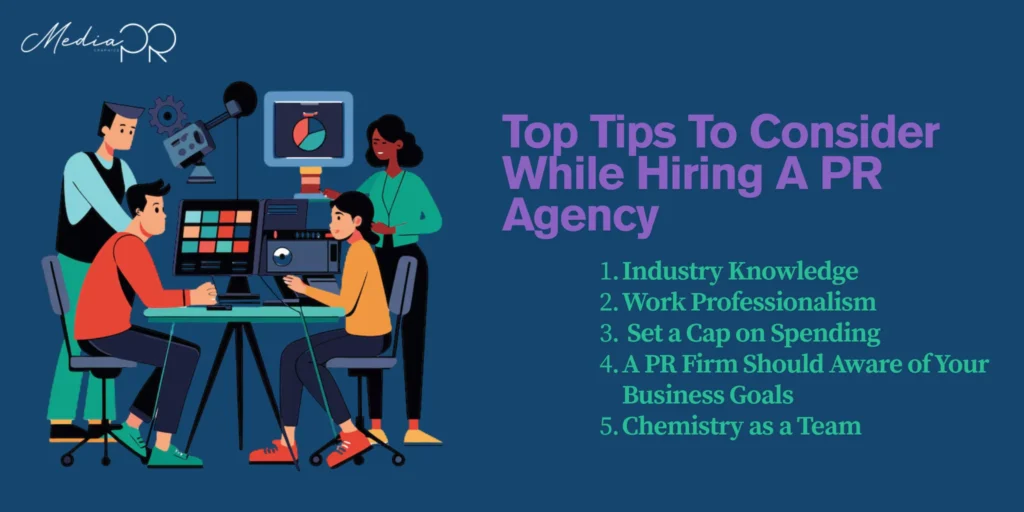
05 Tips To Consider While Hiring A PR Agency

For startups, effective PR is crucial for brand visibility and audience connection. Hiring the right PR agency can significantly boost your reach and impact compared to independent efforts. When selecting a partner, consider their industry expertise, track record, understanding of your target audience, and alignment with your budget and goals. Don’t solely focus on cost; prioritize a quality agency that can deliver tangible results. Top Tips To Consider While Hiring A PR Agency Before partnering with a PR agency, keep these essential tips in mind to ensure you choose the right team for your brand’s success: Choose a PR agency with market expertise and audience understanding to create innovative, informative content about your brand. For niche sectors in India, prioritize PR agencies with proven experience and long-term client relationships in your specific field. Manage your PR budget wisely. Retainers or project-based fees can be cost-effective long-term. Consider performance-based pay options. Choose a PR firm genuinely interested in your goals, actively discussing your plans and announcements for a successful partnership. Ensure positive team chemistry and identify your dedicated in-house PR contact for seamless, regular communication and collaboration. Conclusion: Selecting the right PR agency is a pivotal decision for startup success. By prioritizing industry knowledge, professionalism, budget alignment, goal understanding, and team chemistry, startups can forge a powerful partnership that amplifies their brand narrative, reaches target audiences effectively, and ultimately drives meaningful growth. FAQs: It builds brand visibility and connects with your target audience. Experience in your industry and understanding your audience. Look for their track record and client relationships. Retainers, project-based fees, and sometimes performance-based. It ensures their strategies align with your business objectives. Positive rapport and effective communication with the agency team. No, prioritize quality and the potential for tangible results. Identify a dedicated in-house PR contact. Increased media mentions, brand awareness, and audience engagement. They should demonstrate research and insights into your target demographic.

What Is Media Coverage? Importance, Benefits, and How to Get Featured
MediaPR

What Is Media Coverage? Importance, Benefits, and How to Get Featured

Media coverage plays a vital role in shaping public perception, enhancing brand credibility, and increasing visibility. Whether through news articles, interviews, or social media mentions, being featured in the media helps businesses, individuals, and organizations establish authority and reach a wider audience. In this guide, we’ll explore what media coverage is, why it’s important, and effective strategies to get featured in top publications. What is Media Coverage? Media coverage refers to the visibility a brand, individual, or event receives through news outlets, blogs, magazines, television, radio, and digital platforms. It plays a crucial role in shaping public perception, building credibility, and increasing brand awareness. Importance of Media Coverage Media coverage plays a crucial role in brand visibility, credibility, and audience trust. Here’s why it is essential for businesses and individuals. Also Read: Influencer Collaborations: The New Age PR Tool for Brand Growth Types of Media Coverage Media coverage can be earned, owned, paid, or shared, each serving a different purpose. Here’s a breakdown of each type. How to Get Media Coverage Securing media attention requires strategy and consistency. Here are effective ways to get your brand featured in the media. Benefits of Media Coverage Getting featured in media offers multiple advantages, from brand recognition to increased website traffic. Here are the key benefits. Measuring Media Coverage Success Tracking PR efforts is essential to gauge impact and improvement areas. Here are key metrics to measure media coverage success. Conclusion Media coverage is a powerful PR tool that helps businesses establish credibility, expand their audience, and improve their online presence. By implementing strategic PR efforts, engaging with journalists, and leveraging social media, brands can secure valuable media exposure and drive long-term success. Related Article: Top 8 PR Tools for SaaS Business Startups  

Influencer Collaborations: The New Age PR Tool for Brand Growth
MediaPR

Influencer Collaborations: The New Age PR Tool for Brand Growth

In the fast-paced world of public relations, staying ahead of trends is key. One of the most powerful tools shaping modern PR strategies is influencer collaborations. These partnerships between brands and influential individuals have transformed how companies communicate with their audiences. By leveraging influencer collaborations in PR, businesses are not only increasing their visibility but also building trust in ways that traditional methods struggle to achieve. What Are Influencer Collaborations? Influencer collaborations involve a brand teaming up with individuals who have a strong online presence. These influencers have dedicated followers who trust their opinions and recommendations. Instead of solely relying on conventional PR tactics like press releases or media briefings, brands can now collaborate with influencers to reach specific target audiences in a more personal way. The authenticity and relatability of influencers make these collaborations highly effective. Why Influencer Collaborations Work In today’s digital age, consumers are bombarded with advertisements and promotional content. As a result, they tend to tune out traditional marketing. This is where influencer collaborations in PR come in handy. By partnering with influencers, brands can present their products or messages in a less intrusive and more engaging way. Influencers can create content that feels authentic to their followers, which in turn builds trust between the audience and the brand. Moreover, influencers often have niche audiences. This allows brands to focus their PR efforts on specific demographics. Whether it’s a beauty influencer reviewing a skincare product or a tech influencer sharing insights on new gadgets, these collaborations target audiences that are more likely to engage with the brand. Benefits of Influencer Collaborations in PR Influencer collaborations amplify PR by leveraging trusted voices, expanding reach, and fostering authentic connections.They build credibility and drive targeted engagement. 1. Increased Reach: Influencers often have large and engaged audiences. By collaborating with them, brands can reach a wider demographic without relying solely on traditional PR campaigns. 2. Authenticity: Influencers build trust with their followers over time. Their opinions are valued, making their endorsements more credible than standard advertising. 3. Targeted Campaigns: Through influencer collaborations, PR professionals can connect with niche markets, ensuring that their message reaches the right people. 4. Creative Content: Influencers are content creators by nature. They often bring fresh and creative ideas to the table, adding value to the brand’s PR efforts. How to Choose the Right Influencer Not all influencer collaborations are created equal. The key to successful influencer collaborations in PR is selecting the right partner. Brands should carefully evaluate an influencer’s audience, engagement rates, and values. It’s essential that the influencer’s values align with the brand’s image. A mismatch can harm the brand’s reputation. The Shift from Traditional PR to Influencer Marketing Traditional PR focused on media relations, but influencer marketing shifts focus to direct audience engagement through trusted individuals. It leverages digital platforms for authentic brand storytelling. Identifying the Right Influencers for Your Brand Finding the ideal influencers requires aligning brand values with their audience and content. It’s about authentic partnerships that resonate, driving genuine engagement and brand advocacy. The Future of Influencer Collaborations in PR Influencer PR is evolving with AI, virtual influencers, and deeper personalization. Expect more data-driven, authentic collaborations that focus on long-term relationships and measurable impact. Potential pitfalls and how to avoid them Influencer marketing, while potent, carries risks like fake followers and misaligned values. Careful vetting and clear contracts are essential to ensure authentic, beneficial partnerships. Conclusion Influencer collaborations represent a paradigm shift in Public Relation, offering unparalleled opportunities for brands to connect authentically with their audiences. By leveraging the trust and relatability of influencers, companies can amplify their messages, build credibility, and drive targeted engagement. However, success hinges on strategic selection, transparent partnerships, and a keen understanding of evolving digital trends. As PR continues to evolve, influencer collaborations will undoubtedly remain a cornerstone of effective brand communication, demanding adaptability and ethical practices to maximize their potential. Frequently Asked Questions 1. What is the primary benefit of using micro-influencers? Micro-influencers offer higher engagement rates and stronger connections with their niche audiences.  2. How can brands ensure authenticity in influencer collaborations? By selecting influencers whose values align with the brand and encouraging genuine content creation.   3. What tools can be used to identify fake influencer followers? Various third-party auditing tools can analyze follower authenticity and engagement patterns.   4. Why is transparency important in influencer marketing? Transparency builds trust with consumers and ensures compliance with advertising regulations.   5. How can brands measure the ROI of influencer collaborations? By tracking metrics like engagement rates, website traffic, and conversions attributed to influencer campaigns.   6. What role does AI play in the future of influencer PR? AI enhances influencer selection, campaign analysis, and content personalization.   7. What are the key differences between traditional PR and influencer marketing? Traditional PR focuses on media relations, while influencer marketing emphasizes direct audience engagement through trusted individuals.   8. What should brands include in influencer collaboration contracts? Clear deliverables, payment terms, content usage rights, and disclosure requirements.

What is the Difference Between PR and Advertising?
MediaPR

What is the Difference Between PR and Advertising?

Public Relations (PR) and Advertising both aim to boost a brand’s visibility, but they employ distinct strategies. Advertising is about paid promotion, where you control the message. PR, widely, focuses on earning media coverage and building relationships with the public. They serve different purposes within a marketing strategy.   While advertising can directly promote products or services, PR shapes public perception and builds trust. Understanding these differences is crucial for effective brand communication.   What is PR? PR is the strategic communication process that builds mutually beneficial relationships between organizations and their target audiences. It involves managing the spread of information between an individual or an organization and the public. PR aims to influence public opinion and maintain a positive image. It’s about fostering trust and credibility through earned media and strategic communication. Benefits of PR PR builds brand trust through earned media and strategic communication, fostering long-term relationships and safeguarding reputation. It enhances loyalty by establishing reliability. Purpose of PR PR aims to cultivate a positive brand image by strategically managing public perception. It focuses on building trust and shaping narratives to enhance reputation. What is Advertising? Advertising employs paid media to deliver persuasive messages, aiming to influence consumer behavior and drive immediate action. It leverages various channels, from digital platforms to traditional media, to reach specific demographics. Control over the message is paramount, ensuring brand consistency and targeted impact. Unlike PR, which focuses on earned media and relationship building, advertising is about direct promotion. It seeks to create awareness, generate interest, and ultimately, stimulate sales through carefully crafted, paid communications. Also Read: Digital PR : Why Every Brand Needs It in 2025? Benefits of Advertising Advertising allows precise message control and broad audience targeting. It provides direct influence and ensures brand consistency across diverse platforms for maximum impact. Purpose of Advertising Advertising aims to boost sales and brand awareness by directly promoting products or services. Its core function is to generate immediate consumer response. Key Differences Between PR and Advertising Feature PR Advertising Nature Earned media, relationship building Paid media, direct promotion Control Less control over message High control over message Credibility Higher, seen as third-party endorsement Lower, seen as paid promotion Focus Long-term relationship building Short-term sales and awareness Objective Build reputation and trust Drive immediate action Cost Costs related to activities, not media space Direct costs for media space/time Measurement Media coverage, public sentiment Sales, ROI, website traffic How Can PR Enhance Branding? Earned media in PR fosters credibility and trust, significantly boosting brand perception. This strengthens brand image and builds lasting customer relationships. Why Choose MediagraphicsPR for Enhance Branding? MediagraphicsPR provides tailored PR strategies to enhance your brand’s visibility and reputation, ensuring impactful and sustained market presence. Conclusion In summary, PR vs Advertising serve distinct roles in a comprehensive marketing strategy. Advertising focuses on direct, paid promotion to drive immediate sales, while PR concentrates on building long-term relationships and credibility through earned media. Understanding and leveraging these differences can significantly enhance a brand’s overall success and market presence.   Frequently Asked Questions 1. What problems does PR solve? PR solves problems related to brand reputation, crisis management, and building positive public perception.   2. Which is budget friendly PR or Advertising? PR can be more budget-friendly in the long term, as earned media often provides greater credibility than paid advertising.   3. What is the formula for calculating PR value? There is no single formula; PR value is often measured by media impressions, sentiment analysis, and the impact on brand reputation.   4. How to measure PR success? PR success is measured by media coverage, public sentiment, and changes in brand perception. 5. Why is PR more effective than advertising? PR is often perceived as more credible because it relies on third-party endorsements rather than direct promotion.   6. What is the scope of public relations? The scope includes media relations, crisis management, corporate communications, and stakeholder engagement.

Scroll to Top
logo

Get In Touch

Please enable JavaScript in your browser to complete this form.