




Picture yourself walking into a big interview. The cameras are on, and everyone’s watching you. Or maybe you’re at a press conference, and all eyes are on you to say something smart. Sounds pretty scary, right? That’s where media training comes in! It’s like practicing to be a great speaker. It helps you talk clearly, stay calm, and share your story with confidence.
Whether you run a business, speak for a company, or are new to being in the spotlight, media training services can make a huge difference. In this blog, we’ll explain:
- What media training in public relations is
- Why it’s super important for businesses
- What you learn in media training
- Why spokespeople need it
- How it helps you succeed
- How to pick the right media training team
Let’s get started!
What Is Media Training in Public Relations?
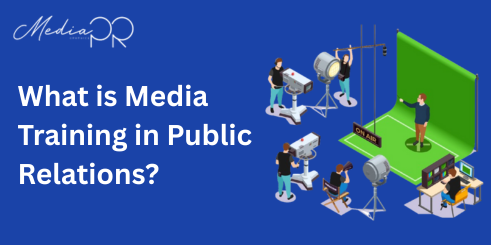
Media training is like a practice session for talking to reporters or being on TV. It teaches you how to chat with journalists, answer tough questions, and tell your story in a way that’s clear and interesting.
It’s a big part of public relations, which is all about making a person or company look good.
With media training services, you learn how to:
- Stay calm, even when you’re nervous
- Answer questions without getting confused
- Make sure people hear your main ideas
It’s not just for famous people or big companies. Anyone who might talk to the press like a small business owner or a team leader can use media coaching. It’s about being ready to share your message in a way that feels natural and confident.
Why Businesses Need Media Training
Today, businesses get a lot of attention. One interview or social media post can change how people see your brand. That’s why media training services are so important. They help you avoid mistakes and make your message clear. Here’s why businesses need media training:
- Builds Trust:
When you speak clearly and honestly, people trust your business more. - Handles Problems:
If something goes wrong, like a bad review, media training helps you respond calmly and fix things. - Makes You Look Good:
Good media skills make your brand seem professional and reliable. - Prepares for Surprises:
You never know when a reporter might ask a tricky question. Training keeps you ready.
Without media coaching, you might say something that gets misunderstood, and that could hurt your business. But with training, interviews become chances to shine!
What You Learn in Media Training
So, what do you actually learn in media training and consulting? It’s not just about memorizing answers. It’s about becoming a better communicator. Here are the main things you’ll practice:
- Creating a Clear Message:
You’ll learn how to sum up your brand or story in a simple way, called your “key message.” - Handling Interviews:
Trainers show you how to answer questions, even tough ones, without getting nervous. They teach you how to bring the conversation back to your main points. - Using Body Language:
How you stand or look at the camera matters. Media coaching helps you look confident and friendly. - Speaking Clearly:
You’ll practice talking at the right speed so everyone can understand you. - Dealing with Hard Questions:
Sometimes reporters ask tricky things. Training teaches you how to stay calm and answer smartly.
Media training consulting often includes fake interviews. These practice sessions feel like the real thing, so you’re ready when the cameras are on. Coaches give you tips to get even better.
Why Spokespeople Need Media Training
A spokesperson is someone who talks for a company or group. They might be the boss, a manager, or a team member. Media training for spokespeople is super important because they’re like the face of the brand.
Here’s why spokespeople need training:
- They Speak for the Brand:
Everything they say affects how people see the company. Training makes sure they share the right message. - They Face Tough Questions:
Reporters might ask about problems or issues. Training helps them answer without making things worse. - They Need Confidence:
Talking to the media can be scary. Media coaching gives them tools to feel prepared.
For example, imagine a company launches a new product, but there’s a small problem with it.
The spokesperson needs to explain what happened and how the company is fixing it. Without media training for spokespeople, they might say something confusing. But with training, they can handle it smoothly.
How Media Coaching Helps You Succeed
Media coaching does more than just get you ready for interviews. It helps you do better in all parts of public relations. Here are some big benefits:
- Better Communication:
You’ll learn how to share your ideas clearly, whether you’re talking to a reporter or a customer. - Stronger Reputation:
When you handle media well, people see your brand as trustworthy and professional. - More Opportunities:
Good media skills can lead to more interviews, speaking events, or partnerships. - Fewer Mistakes:
Training helps you avoid saying things that could be taken the wrong way.
Public relations coaching also helps you connect with people. For example, if you’re launching a new product, media training teaches you how to talk about it in a way that gets everyone excited. It’s like learning to tell a great story that people want to hear.
Picking the Right Media Training Team
Not all media training consulting programs are the same. You want a team that understands your needs and helps you succeed.
Here’s what to look for:
- Experience:
Pick trainers who’ve worked with businesses like yours. They should know your industry and its challenges. - Personalized Help:
Everyone’s different, so good media training services give advice that fits your goals and skills. - Practice Time:
Look for programs with fake interviews or real-world practice. - Helpful Feedback:
Great coaches give clear tips to help you improve. - Flexibility:
Some programs offer online training, which is awesome if you’re busy or far away.
Ask friends for recommendations or read reviews to find a media training consulting team you can trust. A good coach will make you feel ready to face the media.
A Real-Life Example
Let’s look at a story about a small tech company called TechTrend. They were launching a new app, but their boss, Sarah, was nervous about talking to the press. She’d never done an interview before and was worried about saying the wrong thing. TechTrend hired a media training consulting team. The coaches helped Sarah:
- Create a clear message about why the app was awesome
- Practice answering tough questions, like “What if the app crashes?”
- Work on her body language to look confident on camera
After a few practice sessions, Sarah was ready. She did an interview with a local news channel
and did an amazing job. She explained the app’s features clearly and even handled a tricky question about other apps. The interview went viral online, and TechTrend’s app downloads went through the roof!
Without media training services, Sarah might have struggled. Instead, she looked confident and professional, which made TechTrend’s reputation soar.
Wrapping It Up
Media training in public relations is a game-changer. Whether you run a business, speak for a company, or just want to share your story, media coaching helps you shine.
It teaches you how to:
- Speak clearly
- Handle tough questions
- Make a great impression
From building trust to fixing problems, media training services give you the tools to succeed. Working with a media training consulting team lets you practice real-world skills and get better with feedback.
As we saw with TechTrend, the results can be incredible. If you want to take your public relations game to the next level, consider media training for spokespeople or public relations coaching. It’s like an investment that makes you and your brand look confident, trustworthy, and ready for anything!