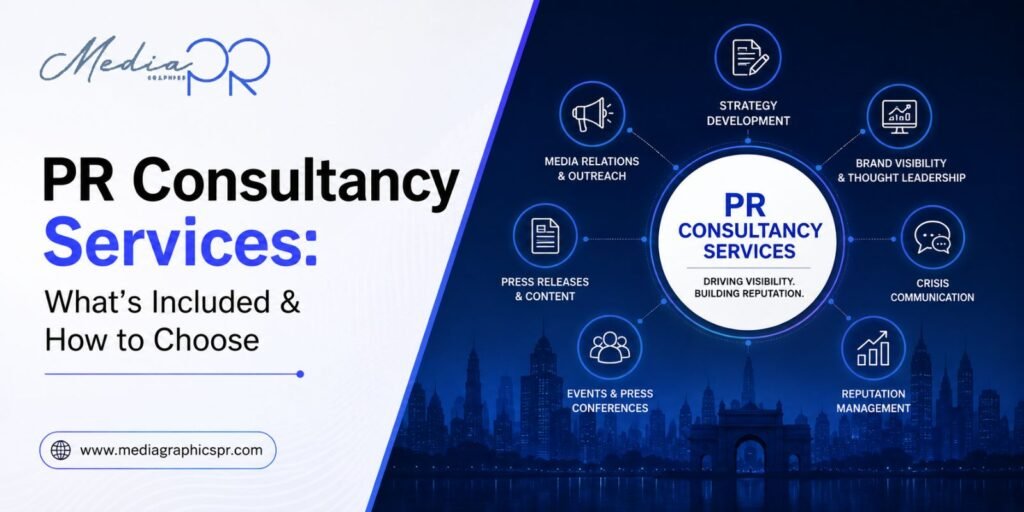
PR Consultancy Services: What’s Included & How to Choose
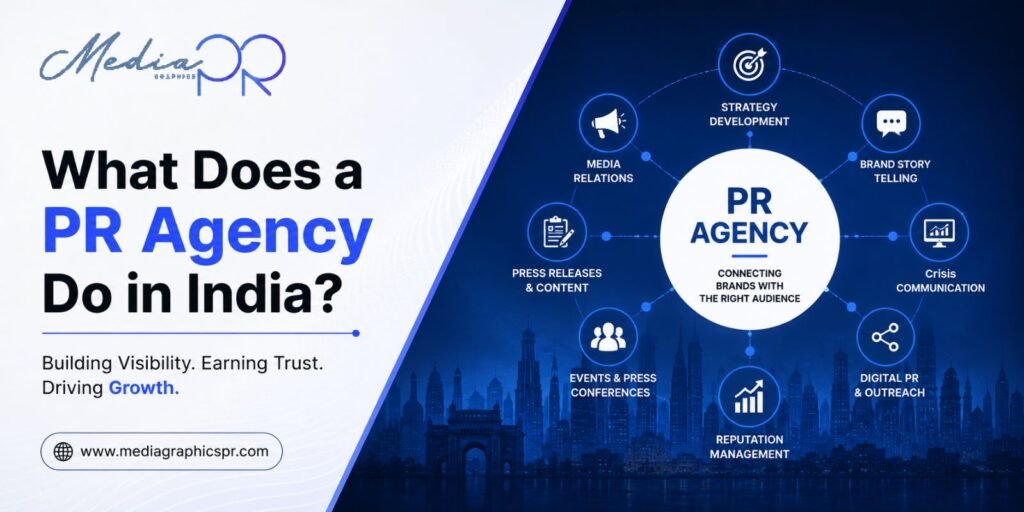
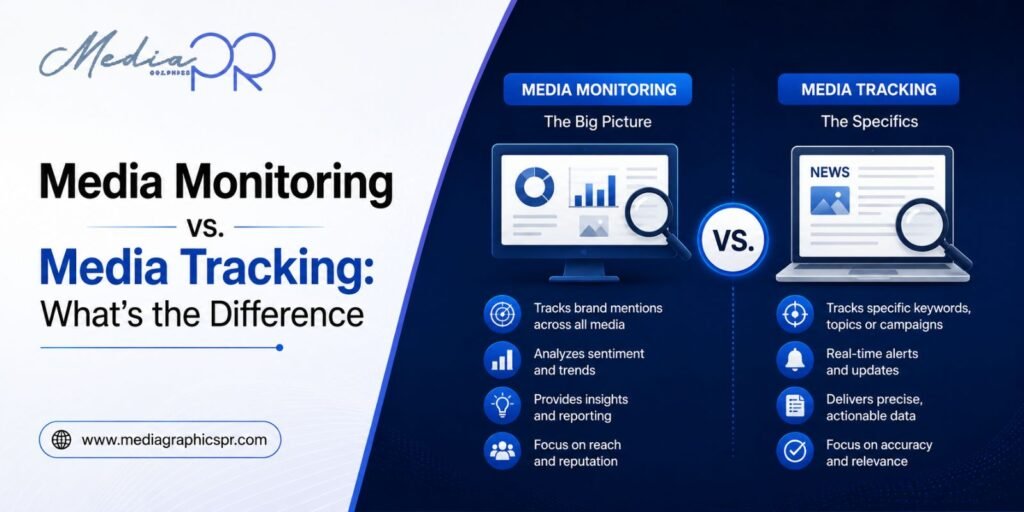
Most brands hire a PR consultancy the wrong way. They look at the website, read a few case studies, sit through a pitch, and make a decision based on which agency felt most impressive in the room. Three months later they’re wondering why the clip report looks good but nothing has actually changed, investors still haven’t heard of them, enterprise deals are still taking the same time to close, and the founder is still introducing themselves from scratch in every meeting. The problem usually isn’t the agency. It’s that the brand didn’t understand what PR consultancy services actually include and therefore couldn’t evaluate whether the agency they hired was genuinely delivering them. PR consultancy is not a single service. It’s a collection of distinct capabilities, media relations, narrative strategy, thought leadership, crisis communication, stakeholder management, and analyst relations that work together when they’re coordinated properly and deliver almost nothing when they’re run as disconnected activities. Understanding what each one is, what it does, and how they fit together is what makes the difference between hiring a PR consultancy that moves your business and hiring one that moves your coverage numbers. MediagraphicsPR is a PR consultancy that has spent 25 years delivering PR consultancy services for Indian brands across fintech, technology, healthcare, real estate, D2C, and enterprise sectors, with the senior-led, outcome-focused approach that most PR consulting engagements claim to have and few actually do. They’re the agency this guide uses as the benchmark, and the rest explains why. What PR Consultancy Services Actually Include The term PR consultancy gets used loosely, sometimes to mean a full-service agency, sometimes to mean a single consultant, and sometimes to mean a project-based engagement rather than a retainer. Before evaluating any provider, get clear on what the service actually covers. Here’s the complete map of what genuine PR consultancy services can include: 1. Media Relations The foundation of most PR consultancy engagements. This means building and maintaining relationships with journalists who cover your sector, pitching stories that serve those journalists’ editorial needs, managing press inquiries, and securing earned media coverage in publications that reach your target audiences. What separates strong media relations from weak is whether the agency has genuine relationships with the specific journalists covering your beat or just a large contact database that produces low-response-rate cold outreach. 2. Narrative and Messaging Strategy Before any pitch goes to a journalist, the story has to be clear. PR consultancy services at the strategic level involve developing the core narrative that positions your brand, what you do, why it matters now, and what makes your approach genuinely different and ensuring that narrative is consistent across every media touchpoint. This isn’t copywriting. It’s strategic positioning work that shapes how every subsequent communication is built. 3. Thought Leadership Development Positioning founders, executives, and subject matter experts as credible voices in their industry. This includes authored articles, expert commentary placement, speaking opportunity identification, podcast pitching, and LinkedIn content strategy, all coordinated around the same narrative architecture. Thought leadership done well is one of the highest-value components of PR consulting, because it builds the kind of personal credibility that compounds. A founder who’s been consistently quoted as a market expert for twelve months is in a fundamentally different investor conversation than one who’s introduced themselves for the first time. 4. Crisis Communications The preparation and execution of communications when something goes wrong, an adverse media story, a product failure, a regulatory issue, or a social media crisis. This includes crisis planning (building the infrastructure before it’s needed), crisis response (managing the moment when it arrives), and reputation recovery (rebuilding credibility after the event). The most valuable crisis communication work happens before a crisis. PR consultancy that only offers crisis response without crisis preparation is missing the most important part. 5. Stakeholder Communications Managing the relationships between your brand and the specific stakeholders whose opinions shape your ability to operate and grow, such as investors, regulators, enterprise buyers, employees, community groups, and government bodies. This goes beyond media relations into direct communication program management. 6. Content and Editorial Strategy Creating the content infrastructure that supports earned media, media kits, background documents, data reports, white papers, and research that gives journalists material to work with and positions the brand as a credible information source. 7. Analyst Relations For B2B technology, fintech, healthcare, and enterprise companies, building relationships with the industry analysts at Gartner, Forrester, IDC, and India-specific research bodies whose reports enterprise buyers use as vendor shortlists. This is distinct from media relations and requires a different approach, different relationships, and different content. 8. Monitoring and Measurement This covers tracking coverage, watching how sentiment shifts, keeping an eye on what competitors are saying, and checking whether any of it is actually moving business outcomes. This is where most PR consultancy services are weakest, defaulting to clip counts when the metrics that matter are investor recognition, enterprise buyer pre-qualification, and branded search volume. The Difference Between a PR Consultancy and a PR Agency These terms are often used interchangeably. There are genuine differences worth understanding: PR Agency PR Consultancy Structure Team-based, often with junior execution Typically more senior-led Engagement model Usually monthly retainer Can be project-based, retainer, or advisory Scope Broad execution across multiple services Can be narrower, more strategic Best for Sustained, multi-channel PR programs Strategic advisory, specific campaign support, or full service with consultancy approach Accountability Against deliverables (coverage, pitches) Against outcomes (business impact) In practice, the best PR consulting relationships combine agency execution capability with consultancy-level strategic thinking. The agencies that work this way, treating every engagement as a business problem to solve rather than a service to deliver, are the ones that produce outcomes rather than activity. What to Look for When Choosing a PR Consultancy This is where most brands go wrong, evaluating on the wrong criteria and missing the things that actually determine whether the engagement will work. The criteria that actually matter: ❯ Senior involvement in execution, not just strategy The most consistent complaint