MediagraphicsPR

MediaPR

PR agency for business growth
MediaPR

How a PR Agency Helps Businesses Grow Faster in 2026

In 2026, business growth is no longer driven solely by advertising. Customers are smarter, media is faster, and trust has become the most valuable currency for brands. Whether you run a startup, SME, or established company, visibility without credibility no longer works. This is where a PR agency for business growth plays a critical role. A professional public relations agency for companies doesn’t just get your brand noticed—it builds trust, authority, and long-term growth. In this blog, we’ll explore how PR agencies help businesses grow faster in 2026, the evolving role of PR, and why hiring the right PR partner can be a game-changer. MediagraphicsPR is a trusted PR agency in India with 20+ years of experience, helping you grow your business faster in 2026. The Changing Business Landscape in 2026 The way businesses connect with customers has changed dramatically. Traditional ads are often ignored, social media algorithms are unpredictable, and competition is at an all-time high. In this environment, people trust news coverage, expert opinions, and real stories more than paid promotions. This shift has made public relations a powerful growth engine. Brands that invest in PR are not just promoting products—they’re building reputations, shaping public perception, and earning long-term loyalty. That’s why more companies today are partnering with a PR agency for business growth instead of relying solely on digital ads. What Does a PR Agency Really Do? A common misconception is that PR is only about press releases. In reality, the role of a PR agency in business growth is far broader and more strategic. A professional PR agency helps businesses by: Creating strong brand narratives Securing media coverage in trusted publications Managing brand reputation Positioning founders and leaders as industry experts Handling crisis communication Supporting product launches and expansions In short, PR agencies influence how your brand is perceived, which directly impacts customer trust, partnerships, and sales. Role of PR Agency in Business Growth Let’s break down how PR directly contributes to faster business growth in 2026. 1. Builds Brand Credibility & Trust Trust drives buying decisions. When your business is featured in reputable media outlets, customers see your brand as reliable and authoritative. Unlike paid ads, earned media feels organic and authentic. A public relations agency for companies works with journalists, editors, and digital platforms to secure coverage that enhances your brand image. This credibility shortens the sales cycle and increases conversion rates. 2. Increases Brand Visibility Across Channels Growth requires visibility, but not just anywhere—in the right places. PR agencies ensure your brand appears where your target audience already spends time, such as: News websites Industry portals Business magazines Online publications This consistent exposure makes your brand top-of-mind and helps businesses grow faster without excessive ad spending. 3. Supports Digital PR & SEO Growth In 2026, PR and SEO are closely connected. Media mentions, backlinks, and brand searches directly impact search engine rankings. A strong PR agency for business growth: Earns high-quality backlinks through media coverage Improves brand authority signals for Google Boosts organic traffic and long-term visibility This means PR doesn’t just improve reputation—it also supports sustainable online growth. 4. Positions Brands as Industry Leaders Customers don’t just buy products—they follow leaders. PR agencies help businesses establish thought leadership by: Publishing expert articles Securing interviews Promoting founder stories Highlighting industry insights This positioning builds influence, attracts partnerships, and strengthens customer loyalty—key drivers of business growth in competitive markets. 5. Enhances Lead Generation & Sales Impact While PR is not direct advertising, it strongly supports sales. When potential customers repeatedly see your brand in credible media, they’re more likely to trust you. The benefits of hiring a PR agency include: Higher-quality leads Better brand recall Increased inbound inquiries Improved closing rates PR warms up the audience, making marketing and sales efforts more effective. Benefits of Hiring a PR Agency in 2026 Hiring a PR agency is no longer optional for growth-focused businesses. Here are the top benefits of hiring a PR agency in today’s market: 1. Strategic Brand Communication PR agencies align messaging across media, digital platforms, and public channels to maintain a consistent brand voice. 2. Access to Media Networks Established PR agencies have strong relationships with journalists, editors, and media houses—connections businesses can’t easily build on their own. 3. Crisis & Reputation Management In the digital age, negative news spreads fast. PR agencies help protect your brand image and respond effectively during crises. 4. Cost-Effective Long-Term Growth Compared to continuous ad spending, PR offers long-term returns through trust, credibility, and earned media. 5. Focus on Core Business Outsourcing PR allows businesses to focus on operations while professionals handle brand visibility and reputation. Why Businesses Need PR More Than Ever in 2026 Consumers today research brands before buying. They check news mentions, reviews, leadership profiles, and online reputation. If your brand doesn’t show up—or worse, shows up negatively—you lose business. A public relations agency for companies ensures that when people search for your brand, they find positive stories, expert opinions, and credible media coverage. This is why PR has become essential for: Startups seeking investor trust SMEs competing with bigger brands Corporations manage public perception New product and service launches PR vs Advertising: What Grows Businesses Faster? Advertising delivers quick visibility, but PR delivers lasting influence. In 2026, the smartest brands use PR to support marketing, not replace it. PR builds the foundation—trust, authority, and credibility—while advertising amplifies the message. Together, they create faster, more sustainable growth. Choosing the Right PR Agency for Business Growth Not all PR agencies deliver the same results. When selecting a PR partner, businesses should look for: Proven industry experience Strong media relationships Clear strategy and reporting Ethical and transparent communication Understanding of digital PR trends The right PR agency becomes an extension of your brand, not just a service provider. Final Thoughts In 2026, growth belongs to brands that are trusted, visible, and credible. A strong PR agency for business growth helps businesses stand out, build authority, and grow faster in an increasingly competitive market. From media coverage and digital PR to reputation management and thought leadership, the role of a PR agency in business growth is more important than ever. If you’re ready to build

Public Relations Process
MediaPR

Public Relations Process: Key Types and Importance for Business Growth

In today’s competitive and fast-moving business environment, a strong brand reputation is not built overnight. It is carefully shaped through consistent communication, trust-building, and strategic storytelling. This is where public relations (PR) plays a vital role. Understanding the public relations process, the types of public relations, and the importance of public relations can help businesses grow, protect their reputation, and connect meaningfully with their audience. This blog explains how PR works, the different forms it takes, and why it has become a cornerstone of sustainable business growth. What Is Public Relations? Public relations is the strategic practice of managing communication between an organization and its key stakeholders, including customers, employees, media, investors, and the general public. Unlike advertising, PR focuses on credibility, trust, and long-term relationship building rather than paid promotions. The success of PR depends largely on following a structured and well-planned public relations process. The Public Relations Process Explained The public relations process is a systematic approach that helps organizations plan, execute, and evaluate communication strategies. It ensures that PR efforts are purposeful, consistent, and aligned with business objectives. 1. Research and Situation Analysis The first step in the public relations process is understanding the current situation. This includes: Analyzing public perception of the brand Identifying key stakeholders Studying competitors and industry trends Recognizing potential risks or opportunities Strong research lays the foundation for effective PR planning and avoids guesswork. 2. Setting PR Objectives Once research is complete, clear and measurable objectives are defined. These objectives may include: Building brand awareness Improving brand reputation Managing a crisis Increasing media visibility Positioning leadership as industry experts Well-defined objectives ensure that PR activities remain focused and results-oriented. 3. Strategy and Planning At this stage, PR professionals decide how to achieve the set objectives. This includes: Crafting key messages Choosing communication channels Identifying media platforms Selecting the right PR tools and tactics A strong strategy ensures consistent messaging across all platforms. 4. Execution and Communication This is where the PR plan comes to life. Activities may include: Press releases and media outreach Interviews and press conferences Thought leadership articles Social media communication Events and campaigns Execution must be timely, transparent, and aligned with brand values. 5. Monitoring and Evaluation The final stage of the public relations process involves measuring performance. PR success is evaluated through: Media coverage analysis Audience engagement Brand sentiment tracking Achievement of PR objectives Evaluation helps refine future strategies and improve overall PR effectiveness. Types of Public Relations Understanding the types of public relations helps businesses choose the right approach based on their goals and audience. Each type serves a unique purpose but works best when integrated into a comprehensive PR strategy. 1. Corporate Public Relations Corporate PR focuses on maintaining a positive image for the organization as a whole. It includes: Brand positioning Corporate communication Reputation management Stakeholder relations This type of PR is essential for long-term brand credibility. 2. Media Relations Media relations involve building strong relationships with journalists, editors, and media outlets. The goal is to secure positive and credible media coverage through: Press releases Media pitches Interviews News features Earned media coverage significantly enhances brand trust. 3. Crisis Management PR Crisis PR helps organizations manage unexpected challenges such as negative publicity, legal issues, or public backlash. The focus is on: Quick response Transparent communication Damage control Reputation recovery Effective crisis management protects brand credibility during difficult times. 4. Digital and Social Media PR With the rise of online platforms, digital PR has become crucial. It includes: Online reputation management Influencer collaborations Social media communication Online media coverage Digital PR ensures brands stay relevant and visible in the digital space. 5. Internal Public Relations Internal PR focuses on communication within the organization. It helps: Improve employee engagement Build company culture Align employees with brand values Increase morale and productivity Employees are influential brand ambassadors when internal communication is strong. 6. Product and Brand PR This type of PR promotes new products, services, or brand initiatives through: Product launches Reviews and features Brand storytelling It helps create awareness and credibility without relying solely on advertising. Importance of Public Relations for Business Growth The importance of public relations goes far beyond media coverage. PR directly contributes to business growth by building trust, credibility, and long-term relationships. 1. Builds Brand Trust and Credibility PR relies on earned media and authentic storytelling, which audiences trust more than paid advertisements. Consistent PR efforts establish brands as reliable and credible. 2. Enhances Brand Visibility Through media coverage, digital PR, and thought leadership, PR increases brand exposure across multiple platforms, helping businesses reach broader audiences. 3. Supports Marketing and Sales While PR is not direct selling, it strengthens marketing efforts by: Creating brand awareness Improving brand perception Influencing buying decisions A positive public image makes marketing campaigns more effective. 4. Manages Reputation Proactively Reputation is one of a company’s most valuable assets. PR helps monitor public sentiment, address concerns early, and maintain a positive brand image. 5. Establishes Thought Leadership PR positions business leaders as experts through interviews, articles, and speaking opportunities. Thought leadership builds authority and industry influence. 6. Provides Long-Term Value Unlike short-term advertising, PR delivers lasting benefits. A strong reputation continues to attract customers, investors, and partners over time. Why a Strategic PR Process Matters A well-structured public relations process ensures that PR activities are not random or reactive. Instead, they are strategic, consistent, and aligned with business goals. Combining the right types of public relations with a clear understanding of its importance enables organizations to grow sustainably in a competitive market. Conclusion Public relations is no longer optional—it is a business necessity. By following a structured public relations process, choosing the right types of public relations, and recognizing its importance, businesses can strengthen their reputation, build trust, and drive long-term growth. Whether it’s managing public perception, handling a crisis, or building brand authority, PR plays a critical role in shaping how the world sees your business. MediagraphicsPR is a top public relations agency in India with 20+ years of experience, helping manage company and individual reputation and public image.

Difference Between Publicity and Public Relations
MediaPR

Difference Between Publicity and Public Relations Explained Simply

In today’s competitive business environment, brands constantly seek visibility, trust, and credibility. Two terms often used interchangeably but not the same are publicity and public relations (PR). While both aim to put your brand in front of the public, their approaches, controls, and long-term impacts differ significantly. In this simple, SEO-friendly guide, we’ll explain the difference between publicity and public relations, compare publicity vs public relations, and share real-world publicity and public relations examples—all explicitly written for MediagraphicsPR, India’s earned-first PR pioneer. What Is Publicity? Publicity refers to gaining public attention through media coverage without paying directly for placement. It often happens when journalists, bloggers, or media outlets find your story newsworthy and publish it independently. Key Characteristics of Publicity Unpaid media exposure Limited or no control over messaging Short-term attention Often event-driven or news-triggered Common Publicity Examples A startup featured in a newspaper due to funding news A brand going viral on social media Media coverage during product launches Celebrity mentions or endorsements Publicity can generate buzz quickly—but it’s unpredictable. What Is Public Relations? Public Relations (PR) is a strategic, long-term communication process focused on building trust, reputation, and credibility with key audiences—media, customers, investors, and the public. PR includes storytelling, media relations, crisis communication, thought leadership, reputation management, and brand positioning. Key Characteristics of Public Relations Planned and strategic Focuses on long-term brand image Greater message alignment Relationship-driven with media and stakeholders PR doesn’t just chase attention—it shapes perception. Difference Between Publicity and Public Relations (Simple Comparison) Aspect Publicity Public Relations Nature Tactical and spontaneous Strategic and planned Control Very limited control over messaging Moderate control with structured communication Cost Usually free Planned investment Duration Short-term impact Long-term brand building Focus Awareness and buzz Trust, reputation, and credibility Message Source Media-driven Brand-driven Risk Level High due to lack of control Lower with managed communication This table highlights the core difference between publicity and public relations in a clear, beginner-friendly way. Publicity vs Public Relations: Explained with Examples Understanding theory is good—but examples make it clearer. Example 1: Product Launch Publicity: A tech blogger writes about your product launch because it’s trending. Public Relations: A PR agency plans media outreach, founder interviews, thought leadership articles, and follow-up coverage. Example 2: Crisis Situation Publicity: Negative news spreads rapidly due to an incident. Public Relations: PR professionals manage statements, media responses, and public trust recovery. Example 3: Brand Growth Publicity: One viral reel increases brand visibility for a week. Public Relations: Consistent media coverage positions the brand as an industry authority over the years. These publicity and public relations examples clearly show why PR is more sustainable. Why Publicity Alone Is Not Enough Publicity can: Create instant awareness Bring short bursts of attention But it cannot: Control brand narrative Build long-term credibility Manage crises effectively That’s why relying only on publicity is risky. Without PR, brands often struggle with consistency and trust. Why Public Relations Is More Powerful Than Publicity Public Relations: Builds earned trust, not paid hype Positions founders as thought leaders Supports SEO through authoritative media mentions Enhances brand reputation over time Converts visibility into business value At MediagraphicsPR, the focus is on earned-first PR, ensuring brands don’t just get noticed—but are respected and trusted. Publicity vs Public Relations in the Digital & Social Media Era In the digital age: Publicity often comes from viral posts or trending news PR integrates digital media, online publications, podcasts, and brand storytelling Modern PR uses: Online news portals Founder branding SEO-driven media coverage Reputation management Publicity may bring traffic—but PR builds authority. Which One Should Businesses Choose? The honest answer: Both—but strategically. Startups need PR to build credibility with investors and customers Growing brands need PR to maintain their reputation Established companies need PR for leadership positioning and crisis control Publicity should support PR—not replace it. Final Thoughts: Publicity vs Public Relations To summarize: Publicity creates awareness Public Relations builds reputation Publicity is accidental; PR is intentional Publicity is short-lived; PR is long-lasting Understanding the difference between publicity and public relations helps businesses make more innovative branding and communication decisions. Ready to build real brand credibility—not just temporary buzz? MediagraphicsPR – The Pioneer of Earned First PR Agency in India Partner with MediagraphicsPR to turn visibility into trust, and trust into growth. Let your brand be featured, respected, and remembered.

Public Relations in Marketing
MediaPR

What Is Public Relations in Marketing? Meaning & Benefits

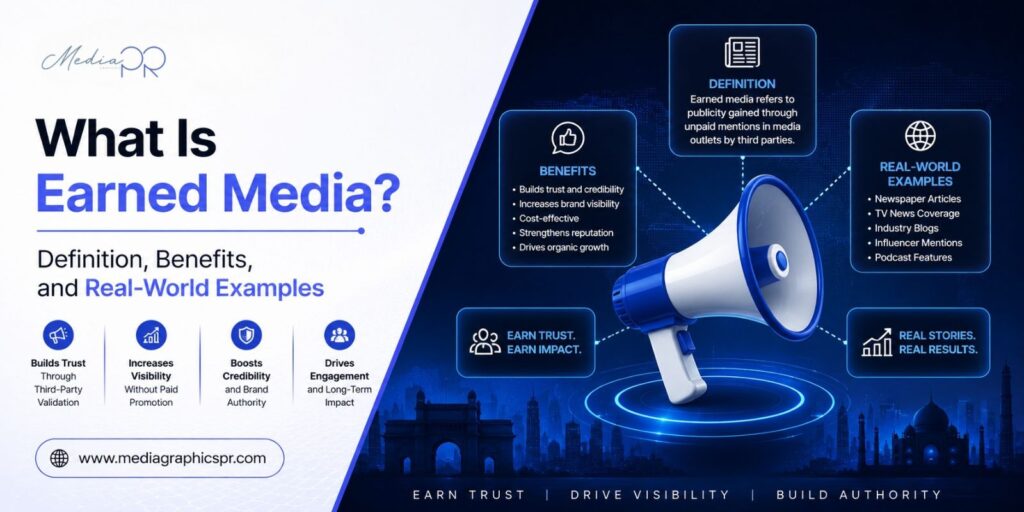
In today’s competitive digital-first world, marketing is no longer just about selling products or running ads. Brands must build trust, credibility, and long-term relationships with their audiences. This is where public relations (PR) plays a decisive role. Understanding what public relations in marketing helps businesses shape a positive brand image, influence public perception, and stand out in crowded markets. This blog explains the meaning of public relations in marketing, how it works, key types of public relations in marketing, real-world public relations marketing examples, and the significant benefits PR brings to your overall marketing strategy. If you need a Public Relations agency, MediagraphicsPR is a trusted PR agency in India with 20+ years of experience. What Is Public Relations in Marketing? Public relations in marketing is the strategic communication process businesses use to build mutually beneficial relationships with their target audiences, media, stakeholders, and the general public. Unlike paid advertising, PR focuses on earned media, storytelling, and reputation management. So, when people ask what public relations is in marketing, the most straightforward answer is: Public relations in marketing is about managing how your brand is perceived through credible communication, media coverage, and consistent messaging. PR supports marketing by creating awareness, strengthening trust, and adding authenticity to promotional efforts. Meaning of Public Relations in Marketing The meaning of public relations in marketing goes beyond press releases or news coverage. It includes: Crafting brand narratives Managing brand reputation Engaging with media and influencers Handling crisis communication Building thought leadership Public relations serves as the brand’s voice, ensuring that communication aligns with business goals and audience expectations. While advertising says “buy this product”, PR says “this brand is trusted, credible, and valuable.” How Public Relations Supports Marketing Goals PR and marketing work best when integrated. Here’s how public relations in marketing supports business growth: Builds brand credibility through third-party validation Enhances brand awareness without heavy ad spend Supports product launches and campaigns Strengthens customer trust and loyalty Improves brand visibility in search and media When PR aligns with marketing strategy, it amplifies messaging and increases overall campaign effectiveness. Types of Public Relations in Marketing Understanding the types of public relations in marketing helps businesses choose the right approach based on their goals. Below are the major PR types used in modern marketing strategies: 1. Media Relations This is the most common PR type. It focuses on building relationships with journalists, editors, and publications to secure media coverage. Example: Press releases, interviews, feature stories. 2. Corporate Communications Corporate PR manages internal and external communications related to company values, leadership messages, and company updates. Example: CEO interviews, company announcements, annual reports. 3. Product & Brand PR This PR type supports product launches and brand positioning by creating buzz and visibility. Example: Product launch coverage, reviews, influencer collaborations. 4. Digital Public Relations Digital PR focuses on online visibility, SEO-friendly content, and brand mentions across digital platforms. Example: Online publications, backlinks, influencer outreach. 5. Crisis Management PR Crisis PR protects brand reputation during adverse events or public backlash. Examples: Damage-control statements, media responses, public apologies. 6. Community & CSR PR This type highlights a brand’s social responsibility and community involvement. Example: Sustainability initiatives, charity campaigns, social causes. Each type of public relations in marketing plays a unique role in strengthening brand trust and awareness. Public Relations Marketing Examples To better understand how PR works in real life, let’s explore some public relations marketing examples: Example 1: Startup Brand Awareness A startup launches a new tech product. Instead of running only ads, it uses PR to get featured in business and tech publications. This media coverage builds instant credibility. Example 2: Thought Leadership Campaign A company positions its founder as an industry expert through guest articles, interviews, and panel discussions. This strengthens brand authority. Example 3: Crisis Communication A brand faces negative online reviews. PR teams respond with transparent communication, corrective actions, and positive storytelling to rebuild trust. Example 4: Influencer & Media Collaboration Brands collaborate with influencers and journalists to tell authentic brand stories, increasing reach and engagement. These public relations marketing examples show how PR influences perception, trust, and buying decisions without direct selling. Benefits of Public Relations in Marketing Now that you understand what public relations in marketing is, let’s look at its key benefits: 1. Builds Brand Credibility Media mentions and editorial coverage are seen as more trustworthy than paid ads. 2. Improves Brand Awareness PR helps your brand reach broader audiences through multiple media channels. 3. Cost-Effective Marketing Support Compared to advertising, PR delivers long-term value with lower costs. 4. Strengthens Brand Reputation Consistent PR efforts shape a positive and reliable brand image. 5. Enhances SEO & Online Presence Digital PR helps generate backlinks, brand mentions, and online visibility. 6. Supports Sales & Marketing Campaigns PR builds trust, which directly supports lead generation and conversions. 7. Builds Long-Term Relationships PR focuses on relationships, not just transactions. These benefits make public relations in marketing an essential component of modern brand-building strategies. PR vs Advertising: Key Differences Aspect Public Relations Advertising Cost Lower, long-term value Higher, short-term Trust High credibility Lower credibility Control Limited control Full control Focus Reputation & trust Promotion & sales Both are important, but PR adds authenticity that advertising alone cannot achieve. Why Public Relations Is Essential in the Digital Era In the age of social media, online reviews, and instant news, brand perception can change overnight. PR helps brands: Manage online reputation Control brand narrative Respond to public feedback Build trust in digital spaces This makes public relations in marketing more relevant than ever before. Choosing the Right PR Partner To fully leverage PR benefits, businesses need experienced professionals who understand media, storytelling, and brand positioning. With a proven track record across industries, MediagraphicsPR helps brands build visibility, credibility, and long-term success through strategic public relations. Final Thoughts Understanding what public relations in marketing empowers businesses to communicate better, build trust, and grow sustainably. From media relations to crisis management, PR plays a critical role in shaping how your brand is seen and remembered. By integrating PR with marketing strategies, businesses can create meaningful connections, enhance brand reputation, and achieve long-term growth in an increasingly competitive marketplace. If you’re ready to strengthen your brand story and public image, investing in professional public relations is

PR support for AI startups
MediaPR

How PR Support Helps AI Startups Grow Faster

In today’s fast-paced tech ecosystem, AI startups are not just competing on innovation—they’re competing for attention, Trust, and credibility. Even the most advanced AI product can struggle if the right audience doesn’t understand or trust it. This is where PR support for AI startups becomes a powerful growth accelerator. At MediagraphicsPR, we work closely with technology founders to turn innovation into influence. This blog explains how PR support helps AI startups grow faster, attract investors, build brand authority, and scale sustainably—using a clear, results-driven AI startup PR strategy. Why PR Support for AI Startups Is Critical in 2026 and Beyond Artificial Intelligence is transforming industries, but it also raises questions around ethics, data privacy, and reliability. As a result, public relations for AI companies is no longer optional—it’s essential. PR helps AI startups: Communicate complex technology in simple language Build credibility in a skeptical market Position founders as thought leaders Gain media visibility beyond paid advertising Unlike performance marketing, PR creates long-term brand value that compounds over time. Understanding PR for AI Startups Beyond Press Releases Many founders assume PR means occasional press releases. In reality, PR for AI startups is a strategic process that aligns storytelling, media relations, brand positioning, and reputation management. A strong PR foundation includes: Founder positioning & thought leadership Media outreach & journalist relationships Crisis & reputation management Messaging aligned with product-market fit This holistic approach ensures your AI startup is seen as credible, investable, and future-ready. AI Startup PR Strategy: Turning Innovation into Influence An effective AI startup PR strategy connects your technology with real-world impact. It answers one key question: Why should anyone care? Key Elements of a Winning AI Startup PR Strategy A straightforward narrative explaining what problem your AI solves Proof points such as case studies, pilots, or early traction Founder stories that humanize the technology Consistent media presence across relevant platforms At MediagraphicsPR, we tailor PR strategies based on startup stage—early-stage, funded, or scaling—so the messaging always aligns with business goals. How PR Support Helps AI Startups Grow Faster 1. Builds Trust in a High-Skepticism Market AI solutions often face trust barriers. Strategic PR uses credible media coverage to validate your product and reassure customers, partners, and regulators. 2. Attracts Investors and Funding Opportunities Investors research founders online. Positive media mentions, interviews, and expert quotes significantly improve funding conversations. 3. Accelerates Brand Awareness Organically Unlike ads that stop when budgets stop, PR coverage continues to drive visibility long after publication—helping AI startups grow faster with compounding impact. 4. Positions Founders as Thought Leaders By securing speaking opportunities, opinion articles, and expert commentary, PR builds authority that differentiates your startup from competitors. Public Relations for AI Companies vs Traditional Tech PR Public relations for AI companies requires deeper domain understanding compared to traditional tech PR. Journalists and audiences expect clarity, responsibility, and transparency. Traditional Tech PR AI Company PR Feature-focused communication Impact & ethics-focused storytelling Product launches and updates Thought leadership & industry insights Short-term media buzz Long-term credibility & trust building This is why AI startups need PR partners who understand both technology and storytelling. PR Support for AI Startups at Different Growth Stages Early-Stage AI Startups Establish credibility Define brand messaging Secure niche media coverage Funded AI Startups Increase visibility in top-tier publications Build investor confidence Strengthen employer branding Scaling AI Companies Manage reputation at scale Support global expansion Position leadership for industry influence A flexible PR approach ensures relevance at every stage of growth. Why MediagraphicsPR Is the Right PR Partner for AI Startups At MediagraphicsPR, we specialize in PR support for AI startups and emerging technology brands. Our team combines media intelligence, strategic storytelling, and deep industry insight to help startups grow faster and smarter. What sets us apart: Proven experience with tech & AI brands Founder-first PR approach Data-backed media strategies Transparent reporting & measurable outcomes We don’t just get coverage—we build credibility that converts. Measuring the ROI of PR for AI Startups PR success isn’t just about headlines. Key performance indicators include: Share of voice in relevant media Quality of publications & journalist authority Website traffic from earned media Investor & partnership inquiries When executed correctly, PR for AI startups delivers both brand equity and business results. FAQs: PR Support for AI Startups How does PR support help AI startups grow faster? PR builds Trust, credibility, and visibility through earned media, helping AI startups attract users, investors, and partners faster than paid ads alone. Why do AI startups need PR support early? Early PR establishes credibility, clarifies messaging, and positions founders as experts—making future growth and fundraising easier. What makes PR for AI startups different? AI PR focuses on simplifying complex technology, addressing ethical concerns, and building long-term Trust rather than short-term hype. Is PR effective for B2B AI startups? Yes. Strategic AI startup PR strategy helps B2B AI companies reach decision-makers, enterprise clients, and investors through credible publications. How long does PR take to show results? Initial visibility may appear in 2–3 months, but consistent PR delivers strong long-term growth and brand authority. Final Thoughts In a competitive AI landscape, innovation alone is not enough. PR support for AI startups bridges the gap between technology and Trust. With the proper AI startup PR strategy, startups can grow faster, attract smarter capital, and build brands that last. If you’re ready to scale your AI startup with strategic public relations for AI companies, MediagraphicsPR is here to help. MediagraphicsPR is a top AI PR agency offering PR services for AI companies. Build visibility, credibility, and media presence in the tech space.

how to create a PR strategy
MediaPR

How to Create a PR Strategy in 2026: A Complete Roadmap for Modern Brands

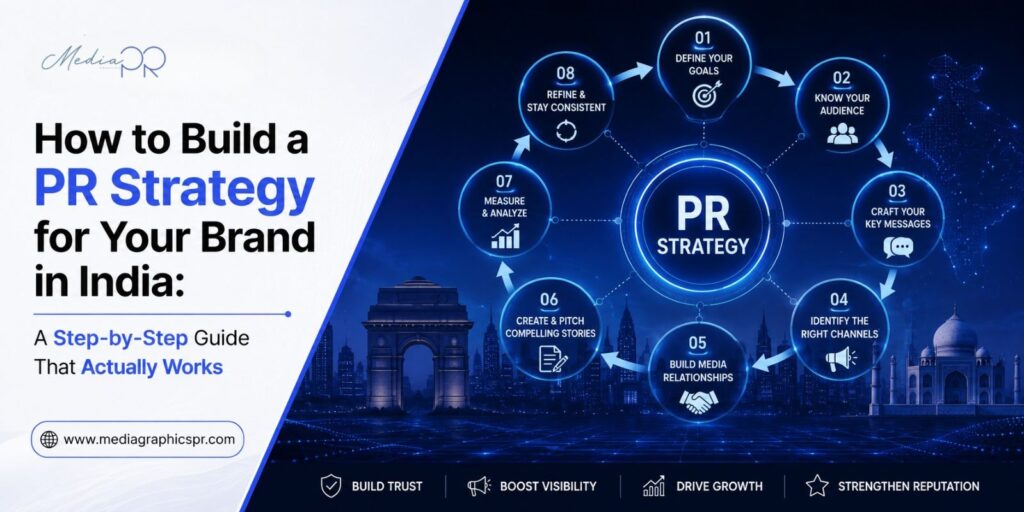
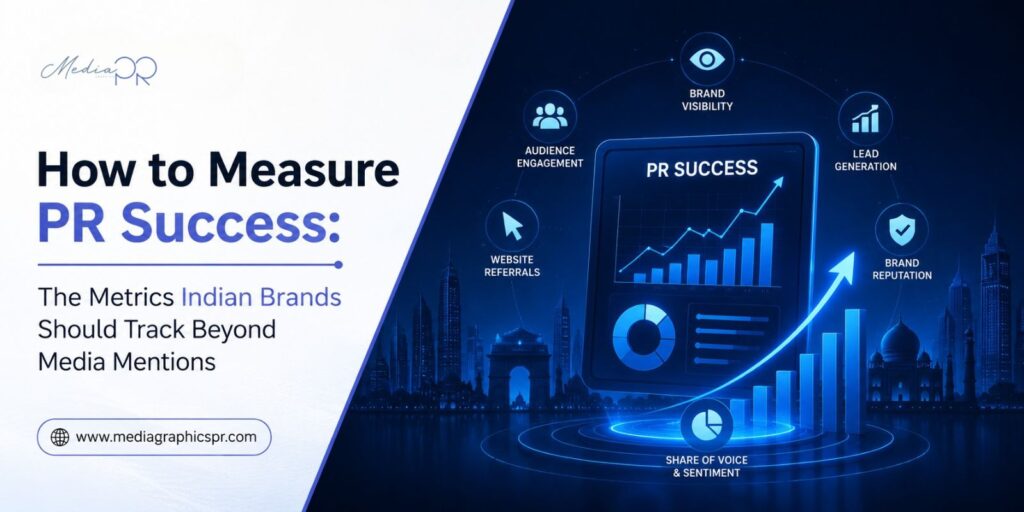
Public Relations is no longer just about press releases and media coverage. In 2026, PR has become a potent mix of brand storytelling, digital visibility, AI insights, influencer engagement, and reputation management. Brands that want to stay relevant must follow a structured and future-ready approach. In this guide, we will explain how to create a PR strategy step by step, share PR strategy examples, and show how strategy PR consulting helps modern brands grow faster and smarter. What Is a PR Strategy? A PR strategy is a clear plan that defines how your brand communicates with the public, media, customers, and stakeholders to build trust and visibility. In 2026, a strong PR strategy focuses on: Digital-first communication Brand reputation across online platforms Data-driven storytelling AI-powered media monitoring Consistent messaging across channels Without a proper strategy, PR efforts become random and fail to deliver results. Why PR Strategy Matters More in 2026 The media landscape is crowded. Audiences trust authentic stories, not advertisements. Journalists prefer data-backed insights, and customers expect transparent communication. A well-planned PR strategy helps you: Build brand authority Improve online reputation Gain quality media coverage Increase brand trust Support SEO and digital growth This is why brands now rely on professional strategy PR consulting instead of ad-hoc promotions. Step-by-Step: How to Create a PR Strategy in 2026 Step 1: Define Clear PR Goals Start by identifying what you want to achieve. Your PR goals must be specific and measurable. Common PR goals include: Brand awareness Media visibility Reputation management Product or service launch Thought leadership positioning Example: Increase brand mentions in top digital publications by 40% in 6 months. Clear goals make your PR strategy focused and result-oriented. Step 2: Understand Your Target Audience Knowing your audience is the foundation of learning how to create a PR strategy that works. Ask questions like: Who are we talking to? Where do they consume content? What problems do they care about? Which platforms do they trust? In 2026, audience research uses: Social listening tools AI audience analytics Search intent data This ensures your PR messaging reaches the right people at the right time. Step 3: Craft a Strong Brand Message Your message is what the audience remembers. A good PR strategy uses simple, consistent, and authentic messaging. Your brand message should: Reflect your brand values Solve audience problems Be easy to understand Stay consistent across channels Tip: Create 3–4 core brand messages and adapt them for media, blogs, social media, and interviews. Step 4: Choose the Right PR Channels PR in 2026 is multi-channel. Relying only on newspapers or press releases is outdated. Modern PR channels include: Online media portals Business and tech publications Podcasts and webinars LinkedIn thought leadership Influencer collaborations Brand blogs and SEO PR A smart PR strategy combines earned, owned, and shared media for maximum reach. PR Strategy Examples for 2026 Understanding PR strategy examples helps you apply ideas more effectively. Example 1: Thought Leadership PR A SaaS brand publishes expert opinions, industry trends, and data-backed articles to become a trusted authority. Example 2: Digital Reputation Management A company actively monitors reviews, media mentions, and social discussions to maintain a positive brand image. Example 3: Influencer-Led PR Brands collaborate with niche influencers for authentic storytelling instead of direct promotions. Example 4: SEO-Driven PR Press coverage is aligned with keywords and backlinks to improve Google rankings. These PR strategy examples show how modern PR blends communication with digital growth. Role of Strategy PR Consulting in 2026 Many brands struggle because they lack experience or time to plan PR correctly. This is where strategy PR consulting becomes valuable. PR consultants help with: Long-term PR planning Media relationship building Crisis communication planning Data-driven campaign execution Performance tracking and reporting Professional PR consulting ensures your efforts are structured, consistent, and scalable. How AI Is Changing PR Strategy in 2026 Artificial Intelligence has transformed how PR works. AI helps in: Media monitoring and sentiment analysis Predicting PR trends Identifying journalist interests Measuring PR campaign impact However, human creativity is still essential. AI supports PR professionals but does not replace storytelling and relationship-building. Measuring PR Success A successful PR strategy always includes performance tracking. Key PR metrics in 2026: Media mentions and reach Brand sentiment score Website traffic from PR coverage Keyword ranking improvements Engagement on thought leadership content Regular analysis helps refine your strategy and improve future campaigns. Common PR Mistakes to Avoid in 2026 Avoid these mistakes when learning how to create a PR strategy: No clear objectives Inconsistent brand messaging Ignoring digital PR and SEO Measuring only media count, not impact Treating PR as a one-time activity PR is a long-term investment, not a quick fix. Final Thoughts: Building a Future-Ready PR Strategy Creating a PR strategy in 2026 requires clarity, consistency, and creativity. Brands that invest in structured planning, digital-first execution, and professional strategy PR consulting will stand out in a crowded market. Whether you are a startup or an established brand, following this roadmap will help you build trust, visibility, and long-term brand value. Want expert help in building a strong PR strategy for 2026? MediagraphicsPR offers result-driven PR solutions, strategic consulting, and digital media expertise to help brands grow with confidence.

benefits of hiring a pr agency
MediaPR

Top Benefits of Hiring a PR Agency for Your Brand Growth

In today’s competitive digital world, building a strong brand is not just about advertising. It is about trust, visibility, credibility, and reputation. This is where Public Relations (PR) plays a vital role. Whether you are a startup, growing business, or established brand, hiring a PR agency can transform how customers, media, and stakeholders perceive your brand. In this blog, we will explain the benefits of hiring a PR agency, answer how a PR agency works, and explain why businesses increasingly hire PR agencies and PR firms to achieve long-term brand growth and trust. Looking to hire a PR agency? Your worries are over now, because MediagraphicsPR is a trusted PR agency in India with 20+ years of experience. And MediagraphicsPR provides this service all over India. What Is a PR Agency and Why Does It Matter A PR agency helps businesses manage their public image and communication with the audience. Unlike paid advertising, PR focuses on earned media, storytelling, media relationships, and reputation management. When you hire a PR agency, you gain access to professionals who know how to position your brand positively across newspapers, digital media, TV, influencers, and online platforms. How Does a PR Agency Work? Many businesses ask: how does a PR agency work? Here is a simple explanation: Understanding Your Brand A PR agency first studies your business goals, industry, audience, and competitors. Strategy Creation Based on research, the agency builds a PR strategy that aligns with your brand vision. Story Development Your brand stories, achievements, launches, and thought leadership are shaped into media-ready content. Media Outreach PR professionals connect with journalists, editors, bloggers, and influencers to gain coverage. Reputation & Crisis Management The agency monitors brand mentions and handles negative news professionally. Performance Tracking Results are tracked through media coverage, reach, visibility, and brand sentiment. This strategic process explains how a PR agency works to build trust and authority for your brand. Top Benefits of Hiring a PR Agency for Brand Growth & Trust 1. Builds Brand Credibility and Trust One of the most significant benefits of hiring a PR agency is credibility. When your brand appears in reputable media publications, customers trust you more than paid ads. People believe what journalists say more than what brands say about themselves. PR helps you earn that trust. 2. Increases Brand Visibility Across Media A professional PR firm ensures your brand is visible in: Online news portals Print media Industry publications Influencer platforms When you hire a PR firm, your brand gains consistent exposure that keeps you top-of-mind among customers. 3. Strengthens Brand Reputation Your brand reputation can make or break your business. A PR agency constantly monitors your brand image and ensures positive messaging reaches the audience. If there is any negative press or misinformation, the PR team handles it strategically to protect your brand. 4. Cost-Effective Compared to Advertising Advertising stops working when you stop paying. PR, on the other hand, creates long-term value. The benefits of hiring a PR agency include: Higher ROI Long-lasting media presence Organic brand awareness Earned media often delivers better trust than paid promotions. 5. Helps You Stand Out from Competitors In crowded markets, differentiation is key. A PR agency positions your brand uniquely by highlighting: Your expertise Innovation Success stories Leadership voice This is why innovative brands prefer to hire PR agencies instead of relying only on ads. 6. Supports Product Launches and Announcements Launching a product without PR is like hosting a party without invitations. A PR agency ensures: Media buzz before launch Coverage during launch Post-launch brand recall This structured approach boosts success and market acceptance. 7. Improves Online Presence and SEO Modern PR supports SEO by: Earning high-quality backlinks Increasing branded searches Improving online authority This indirect SEO benefit is another reason businesses hire PR firms for digital growth. 8. Manages Crisis and Negative Publicity No brand is immune to crisis. One wrong review or news story can damage years of trust. A professional PR agency: Responds quickly Controls messaging Protects brand reputation This crisis readiness is a critical benefit of hiring a PR agency. 9. Saves Time and Internal Resources Managing PR internally requires experience, contacts, and time. When you hire a PR agency, your team can focus on core business operations while experts handle communications. 10. Provides Industry Expertise and Media Connections PR agencies have: Strong journalist relationships Industry insights Media pitching expertise These connections are complex to build in-house and give your brand faster access to quality coverage. Why Businesses Prefer to Hire a PR Agency Today Today’s consumers research brands before buying. They look at: News mentions Online reputation Brand credibility This is why companies increasingly hire PR agencies and PR firms to influence perception and decision-making. Whether you are a startup building awareness or an enterprise protecting reputation, PR is no longer optional—it is essential. When Should You Hire a PR Firm? You should consider hiring a PR firm if: You want stronger brand trust You need consistent media coverage You are launching a new product or service You want to manage your reputation professionally You aim for long-term brand growth The right PR partner helps you grow with confidence. Why Choose MediagraphicsPR? With decades of industry expertise, MediagraphicsPR understands how to build brands that people trust. From startups to established companies, MediagraphicsPR delivers strategic PR solutions focused on: Brand visibility Media relations Reputation management Long-term growth Final Thoughts The benefits of hiring a PR agency go far beyond media coverage. PR builds trust, credibility, authority, and lasting brand value. Understanding how a PR agency works helps businesses realise why outsourcing PR is a wise investment. When you hire a PR agency or hire a PR firm, you choose growth powered by trust—not just promotion.

Role of Media Relations
MediaPR

Role of Media Relations in Successful Public Relations Campaigns

In today’s fast-moving digital world, brands are constantly competing for attention. Advertising alone is no longer enough to build trust or credibility. This is where public relations (PR) plays a vital role—and at the heart of PR lies media relations. Understanding the importance of media relations and how it supports brand communication can make the difference between a campaign that is ignored and one that truly succeeds. This blog explores the role of media relations, why it matters, and how strong media relations in public relations help brands build reputation, visibility, and long-term trust. What Is Media Relations? Media relations is the process of building and maintaining strong relationships with journalists, editors, reporters, bloggers, and media houses. It focuses on sharing accurate, timely, and newsworthy information with the media to earn favorable coverage. Unlike advertising, media relations does not involve paid promotions. Instead, it relies on credibility, storytelling, and trust. When media outlets talk about your brand, people listen—because the message comes from a third-party source, not directly from you. This makes media relations one of the most powerful tools in public relations. Media Relations in Public Relations: The Foundation of Trust Public relations is about shaping perception and managing reputation. Media relations acts as the bridge between brands and the public by using media platforms as trusted messengers. The role of media relations in public relations includes: Communicating brand stories Sharing company announcements Managing brand image Handling crises Positioning leadership as industry experts When done right, media relations strengthens every PR campaign by adding credibility and reach. Importance of Media Relations for Brand Visibility One of the biggest reasons media relations matters is visibility. Even the best brands struggle if no one knows about them. 1. Earned Media Builds Credibility Media coverage feels more trustworthy than ads. A news article, interview, or feature story creates authenticity that paid promotions cannot match. This highlights the importance of media relations in building public confidence and brand authority. 2. Wider Audience Reach Media outlets already have loyal audiences. When your story is published, your brand reaches thousands—or even millions—without spending heavily on advertising. 3. Long-Term Brand Recognition Consistent media presence keeps your brand top-of-mind. Over time, this creates familiarity, trust, and recall. Role of Media Relations in Successful PR Campaigns A PR campaign is only successful when the message reaches the right audience at the right time. Media relations plays several key roles in achieving this. 1. Storytelling That Resonates Media professionals look for stories, not sales pitches. Media relations teams craft compelling narratives that connect brand messages with current trends, industry insights, or human interest. This storytelling approach makes campaigns engaging and relatable. 2. Strategic Message Placement Not every story belongs on every platform. Media relations ensures that the message reaches relevant publications, journalists, and media channels aligned with the target audience. This strategic placement increases campaign impact. 3. Timely Communication News cycles move fast. Media relations experts know when and how to pitch stories so they stay relevant and newsworthy. Timing often decides whether a campaign succeeds or fails. Media Relations and Reputation Management Reputation is one of a brand’s most valuable assets. Media relations plays a critical role in protecting and strengthening it. Positive Image Building Regular favorable media coverage builds goodwill and trust over time. It positions brands as reliable, transparent, and professional. Crisis Communication During crises, silence can damage credibility. Media relations ensures clear, honest, and timely communication to prevent misinformation and manage public perception. This makes media relations in public relations essential for both growth and protection. Importance of Media Relations in the Digital Age With the rise of digital media, the role of media relations has expanded beyond traditional newspapers and TV. Today, it includes: Online news portals Digital magazines Industry blogs Podcasts Influencer collaborations Modern media relations combines traditional PR with digital outreach to maximize reach and engagement. This evolution further increases the importance of media relations for brands looking to stay relevant in a competitive market. Media Relations Helps Build Thought Leadership One significant benefit of strong media relations is thought leadership. By securing expert quotes, opinion pieces, interviews, and bylined articles, brands can position their leaders as industry voices. This builds authority and trust among customers, investors, and stakeholders. Thought leadership not only enhances brand image but also supports long-term business growth. How Media Relations Supports Business Growth Media relations is not just about publicity—it supports overall business goals. Boosts brand awareness Improves customer trust Attracts investors and partners Supports product launches Enhances employer branding When aligned with business strategy, the role of media relations becomes a growth driver rather than just a communication tool. Media Relations vs Advertising: Why PR Wins Trust While advertising delivers quick visibility, it often lacks trust. Media relations, on the other hand, builds organic credibility. People trust news articles more than ads. That’s why brands investing in media relations and public relations often enjoy stronger loyalty and better reputation over time. The best campaigns use both—but media relations remains the trust-building pillar. Why Brands Need a Professional Media Relations Agency Effective media relations requires expertise, relationships, and strategic thinking. Professional agencies understand media expectations, journalist preferences, and storytelling formats. They help brands: Craft strong press releases Pitch stories effectively Secure quality media coverage Maintain consistent brand messaging Handle sensitive communication This professional approach ensures consistent and measurable PR success. Conclusion: Media Relations Is the Backbone of PR Success The success of any public relations campaign depends heavily on how well it connects with the media. The role of media relations goes beyond publicity—it builds trust, shapes reputation, and amplifies brand voice. Understanding the importance of media relations and investing in strong media relations in public relations can help brands stand out, stay credible, and grow sustainably. In an age where trust matters more than ever, media relations remains one of the most potent tools in PR. MediagraphicsPR is a trusted media relations agency that helps brands build credibility, secure impactful media coverage, and run successful public relations campaigns. If you’re looking to strengthen your brand voice, improve visibility, and build lasting media relationships, MediagraphicsPR is here to help.

Types of Crisis Management
MediaPR

Types of Crisis Management in PR | PR Crisis Meaning & Solutions

In today’s fast-moving digital world, a brand’s reputation can change overnight. A single negative news story, social media backlash, customer complaint, or internal issue can quickly turn into a significant problem. This is where crisis management in PR becomes critical. For businesses, startups, celebrities, and institutions, understanding the types of crisis management and the PR crisis meaning is essential to protect trust, credibility, and long-term growth. In this blog, we explain crisis management in PR, its key types, and how the best crisis PR firms and best crisis management PR firms help brands handle challenging situations effectively. What Is PR Crisis Meaning? Before understanding the types, let’s clarify the meaning of a PR crisis. A PR crisis refers to any unexpected event or situation that threatens a brand’s reputation, image, or public trust. It can spread quickly through media coverage, social platforms, or public discussions, causing financial loss, customer distrust, and long-term damage if not appropriately managed. Examples of PR crises include: Negative media coverage Product failures or recalls Legal issues or compliance violations Employee misconduct Social media controversies Data breaches or cyberattacks Effective crisis management focuses on quick response, transparent communication, and reputation recovery. Why Crisis Management in PR Is Important Crisis management is not just about damage control. It is about: Protecting brand reputation Maintaining public trust Controlling misinformation Reducing financial and legal risks Rebuilding confidence among stakeholders This is why leading brands rely on the best crisis management PR firms to prepare, manage, and recover from crises professionally. Types of Crisis Management in PR There are different types of crisis management, depending on the nature and severity of the situation. Below are the most important ones used by professional PR teams. 1. Proactive Crisis Management Proactive crisis management focuses on prevention and preparation. Instead of waiting for a crisis to happen, PR teams identify potential risks in advance. This includes: Risk assessment Crisis communication planning Media training for spokespersons Scenario planning The best crisis PR firms always encourage proactive planning, so brands are ready to respond confidently when issues arise. 2. Reactive Crisis Management Reactive crisis management happens after a crisis has already occurred. The goal is to respond quickly and minimize damage. Key actions include: Issuing official statements Managing media inquiries Addressing public concerns Correcting misinformation Speed and accuracy are critical. Delayed or unclear communication can worsen the situation. 3. Social Media Crisis Management Social media can escalate a crisis within minutes. A single viral post or hashtag can severely damage a brand. Social media crisis management focuses on: Real-time monitoring Responding to negative comments Managing online narratives Preventing fake news from spreading Top brands rely on the best crisis management PR firms to handle social media crises with sensitivity and strategic messaging. 4. Corporate Crisis Management Corporate crises involve internal or organizational issues such as: Leadership controversies Financial irregularities Workplace conflicts Compliance failures This type of crisis management requires coordination between PR, legal teams, and senior leadership to ensure consistent communication and transparency. 5. Product or Service Crisis Management Product-related crises include: Product recalls Quality issues Safety concerns Service failures Here, PR teams focus on customer communication, accountability, and corrective action. Clear messaging helps retain customer trust even during difficult times. 6. Legal and Regulatory Crisis Management Legal issues can quickly become public relations disasters if not managed carefully. This includes: Court cases Government investigations Regulatory penalties The best crisis PR firms work closely with legal teams to ensure messages are accurate, compliant, and reputation-focused. 7. Reputation Recovery Crisis Management Once the immediate crisis is controlled, reputation recovery begins. This is a long-term process focused on rebuilding trust. It includes: Positive media coverage Brand storytelling Thought leadership campaigns Stakeholder engagement This phase is where experienced PR professionals make the greatest impact. Crisis Management Solutions Used by PR Experts Professional PR agencies follow structured solutions to manage crises effectively. These include: Crisis audits and risk analysis Clear communication frameworks Media and spokesperson management Digital reputation monitoring Post-crisis brand rebuilding strategies The best crisis management PR firms combine strategy, experience, and calm decision-making to guide brands through uncertainty. Role of Best Crisis PR Firms in Brand Protection The role of the best crisis PR firms goes beyond press releases. They act as strategic partners who: Anticipate risks Control narratives Protect brand credibility Support leadership during pressure Choosing the right PR partner can be the difference between reputation loss and reputation recovery. Why Choose MediagraphicsPR for Crisis Management? At MediagraphicsPR, we understand that every crisis is unique and requires a tailored approach. With years of experience across industries, we help brands manage challenges with clarity, speed, and responsibility. Our crisis management services include: Crisis preparedness and planning Media and stakeholder communication Social media crisis handling Reputation repair and recovery Long-term brand trust building We focus on protecting what matters most—your reputation. Final Thoughts Understanding the types of crisis management and the true PR crisis meaning is essential for every modern brand. Crises are unpredictable, but the right strategy and the right PR partner can turn challenges into opportunities for growth and trust. Working with the best crisis management PR firms ensures your brand remains strong, credible, and resilient—even in the most challenging situations. If you want expert guidance during a crisis or wish to prepare your brand for future challenges, MediagraphicsPR is here to help you lead with confidence and control the narrative.

PR Trends
MediaPR

PR Trends 2026: Transformations That Will Redefine Brand Engagement

The world of public relations is changing faster than ever. With new technologies, smarter audiences, and rising competition, brands must rethink how they communicate in 2026 and beyond. Today, PR is no longer only about media coverage—it is about experiences, trust, transparency, and real engagement. In this blog, we explore the major PR trends, public relations trends, and public relations industry trends that will shape the future of brand communication. These future trends in public relations will guide how brands connect, build reputation, and stay relevant in 2026. Whether you are a business owner or a communication professional, understanding these shifts will help you stay ahead and build stronger, more meaningful brand engagement. 1. Hyper-Personalised PR Campaigns Will Lead the Way In 2026, one-size-fits-all messaging will no longer work. Audiences expect communication that feels personal and relevant to their lives. With the help of AI tools, big data, and advanced analytics, brands can create PR campaigns tailored to each audience segment. Why this trend matters: Consumers trust brands that understand their needs Personalised communication increases engagement Custom messages create stronger emotional connections For example, brands may send personalised press releases to influencers, journalists, and customers based on their behaviour, interests, and location. Hyper-personalisation will be one of the strongest pr trends shaping brand reputation in 2026. 2. AI Will Transform PR Strategy and Execution Artificial intelligence is already influencing PR, but by 2026, it will become a core part of the industry. AI will support data analysis, media monitoring, sentiment tracking, content creation, and crisis management. Key transformations include: AI-generated media reports Predictive insights that forecast public reactions Automated content drafting for press releases, blogs, and speeches AI-driven influencer and journalist mapping This shift represents one of the most powerful trends in the public relations industry. It will allow PR teams to work faster, reduce errors, and focus more on strategy and creativity. 3. Rise of Smart Crisis Communication Crises now move at the speed of the internet. One social media rumour can damage a brand within minutes. That is why in 2026, crisis communication will become smarter, faster, and more proactive. Brands will invest in: Real-time social listening AI-based risk prediction Quick-response content systems Pre-built crisis playbooks This trend ensures companies are not only reacting but predicting crises before they blow up. Strong crisis strategies will be a crucial future trend in public relations. 4. Authenticity and Transparency Will Define Brand Trust Audiences today are smarter and more informed. They quickly identify when a brand is not being honest. As a result, authenticity is becoming one of the most important public relations trends for 2026. Brands will need to: Communicate openly Admit mistakes honestly Share real human stories Build meaningful relationships with communities Transparent communication builds long-term trust—something money cannot buy. PR agencies will increasingly help brands shape their values and communicate them clearly. 5. The Growth of Digital-First PR Strategies Traditional PR, like newspapers and TV, is still valuable, but digital PR is becoming the primary focus for many brands. In 2026, PR campaigns will be digital-first from the start, especially because online platforms provide instant visibility and measurable results. Digital-first PR includes: Online news publications Social media announcements SEO-driven storytelling Influencer partnerships Video press releases Interactive digital events This shift makes digital-first approaches one of the most demanded public relations industry trends. 6. Video PR and Short-Form Content Will Dominate Videos are now the most consumed form of content. With platforms like Instagram, YouTube Shorts, Facebook Reels, and LinkedIn videos growing rapidly, brands will invest heavily in video-based PR. Why video is critical for PR in 2026: Easy to consume High engagement Great for storytelling Increases shareability Works across all digital channels Short video press releases, behind-the-scenes clips, leadership messages, and customer stories will become essential PR trends. 7. Influencer PR Will Become More Strategic Influencer marketing is evolving. Instead of relying on random influencers with large followings, brands will focus on micro- and nano-influencers who drive real engagement. In 2026, influencer PR will be built on: Trust Authenticity Niche communities Long-term partnerships PR teams will collaborate with influencers not only for promotions but also for storytelling, product education, and crisis support. 8. Data-Driven Storytelling Will Replace Traditional Narratives Brands cannot depend only on emotional storytelling anymore. They need data-backed stories that prove impact. In 2026, the PR world will focus on combining emotional appeal with strong data. Examples: Market insights Consumer behaviour patterns Environmental impact numbers Performance statistics Data adds credibility and makes stories more powerful. This is one of the emerging trends in public relations that you cannot ignore. 9. Purpose-Driven PR Will Continue to Grow Consumers prefer brands that stand for something meaningful—sustainability, equality, community development, or innovation. In 2026, PR campaigns will more strongly highlight brand purpose. Brands will communicate: Their mission Their social impact Their environmental commitments But the key will be action, not just claims. Purpose-driven communication boosts brand loyalty and builds long-term relationships. 10. Immersive PR Experiences Will Become the New Normal Another major shift will be experiential PR powered by AR (Augmented Reality), VR (Virtual Reality), and mixed reality. These technologies will make PR campaigns more interactive and memorable. Examples: Virtual product launches 3D brand experiences AR-based press kits Virtual factory or facility tours These immersive strategies will be one of the most exciting PR trends shaping the future. 11. Journalism Collaboration Will Strengthen Again Despite the growth of digital media, journalists still play a crucial role in shaping public opinion. In 2026, PR teams will build deeper relationships with journalists by offering: Verified facts Exclusive insights Trustworthy stories High-quality data Strong journalist collaboration remains a core trend in public relations. 12. Reputation Management Will Become More Critical Than Ever With online reviews, social comments, and brand mentions happening every second, reputation management will be at the heart of PR in 2026. Brands will invest in: Continuous online monitoring Quick response systems Brand sentiment analysis Employee advocacy programs This focus on reputation will drive many public relations industry trends in the coming years. Conclusion: The Future of PR Is Fast, Digital, and Human As we move into 2026, PR

Scroll to Top
logo

Get In Touch

Please enable JavaScript in your browser to complete this form.